

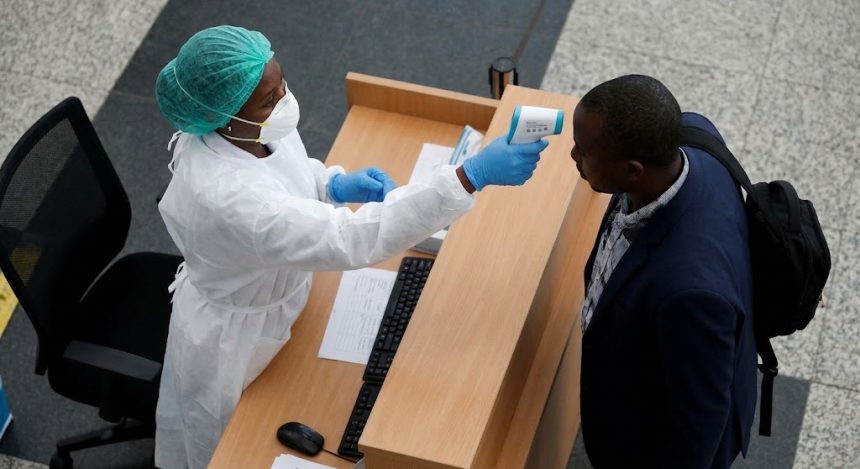
News that Kenya confirmed its first Ebola case on October 6, 2026, after a patient travelling from the Democratic Republic of Congo passed away at a Nairobi hospital, has raised valid health concerns.
While the Ministry of Health has stepped up screening at border points and health facilities, knowing how to protect yourself in daily life remains your best line of defence.
Ebola sounds frightening, but preventing infection comes down to basic hygiene and avoiding direct exposure.
Understanding how the virus actually spreads
Unlike common airborne respiratory bugs like the flu, Ebola does not spread easily through the air. You cannot catch it simply by standing near an infected person in a crowded market or a matatu.
Transmission happens when broken skin or mucous membranes, such as the eyes, nose, or mouth, come into direct contact with blood, vomit, sweat, urine, or saliva from an infected person.

According to a landmark study published in The Journal of Infectious Diseases, “household spread of Ebola virus is driven by direct physical contact, especially through nursing care.”
This means casual contact poses very little threat as long as you observe strict physical boundaries around anyone showing severe symptoms.
The virus only becomes contagious once a person develops symptoms. Early signs usually mirror common conditions like malaria or heavy flu, starting with a sudden fever, body weakness, sore throat, and headaches.
As the illness progresses, it causes vomiting, diarrhoea, and in severe cases, unexplained bleeding. Because body fluids contain high amounts of the virus when someone is sick, caring for an unwell family member at home without personal protective gear carries the highest risk.
Habits that keep you and your family safe
Protection starts with everyday sanitation. Wash your hands thoroughly with clean running water and soap, or use an alcohol-based hand sanitiser, especially after using public transport or visiting public spaces.

Avoid touching your face with unwashed hands. If a family member or neighbour feels unwell with fever and sudden weakness, avoid direct contact with their fluids and alert the nearest health centreimmediately.
Additionally, avoid handling bushmeat or wild animals found dead, as forest animals can carry the virus. If someone passes away from a severe, unexplained feverish illness, leave the body handling to trained health officials, because deceased bodies remain highly infectious.
By staying informed, maintaining strict hand hygiene, and seeking prompt care, you keep your family and community safe.