

In Kenya’s entertainment scene, the real plot twist isn’t always the next viral skit or chart-topping song.
It’s what happens when the cameras stop rolling, and the stars start building companies that can actually pay the bills long after the hype fades.
Which Kenyan celebrities have businesses?
Njugush and Celestine Ndinda, better known as Wakavinye, were once the ultimate comedy power couple.
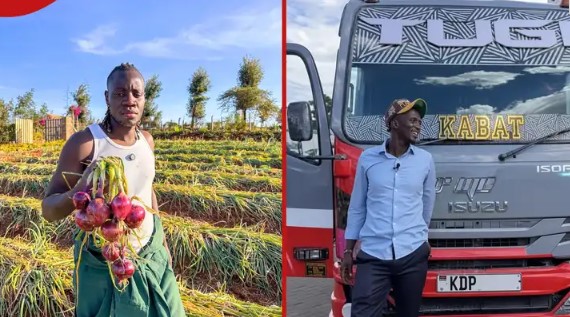
Their skits, sold-out live shows, and brand deals turned them into household names. Together, they launched merchandise, event productions, a podcast, and even bought two Super Metro matatus named after their sons, Tugi and Toria.
The vehicles were meant to turn an expensive lifestyle car into steady daily income.
But in late 2025, the couple split after more than a decade together. They’re now focused on co-parenting while the content business and other assets continue under separate arrangements.
The breakup was messy and public, yet it also showed something important: the companies they built while together didn’t disappear the moment the relationship did. Fame got them in the door; structure kept the money moving.
King Kaka took a more deliberate route. With his longtime partner Dennis Njenga, he turned Kaka Empire from a small music operation into a proper label and management company that handles artists including Femi One and Jadi.
The label has locked in brand deals across East Africa and, in 2026, struck a partnership with Universal Music Group East Africa for better distribution.
On top of that, King Kaka has run a clothing line, a water brand, film projects, and a luxury barber shop and spa. He has said he simply loves the idea of turning consumers into currency. For him, business isn’t a side hustle; it’s the long game.
Bahati and Diana Marua have leaned hard into real estate and their combined online influence.

Then there’s Guardian Angel, the gospel artist who decided music money should buy soil instead of just more stage outfits.
Through his Waingo Farm in Machakos, he has built a serious agricultural operation growing onions, maize, vegetables, poultry, and fish on roughly 20 acres with proper irrigation.
In August 2026 alone, an onion harvest of about 350 tonnes was valued at around Sh17 million. He’s treating farm income as repeatable wealth while performance fees remain the unpredictable part of the job. It’s a practical reminder that productive land can outlast any single album.
These moves work because the personal brand does a lot of the heavy lifting. Fans who already like the celebrity become the first customers for clothes, beauty products, matatu rides, or farm produce.
Media coverage of a launch is basically free advertising.
Publicist and musician Vekta, who runs his own Made in Bosongo merchandise line alongside publicity and production work, put it simply:
“Your name is the product before anything else. Once people know you, every T-shirt, every event, every side hustle becomes easier to sell. But you have to package it properly—otherwise you’re just famous and still broke.”
Talent managers and publicists stress the same point.
Fame opens doors, but someone still has to negotiate the contracts, manage the operations, and protect the reputation when things go wrong.
Vekta added a caution many artistes ignore:
“I’ve seen guys blow money on a flashy launch, then realise they never planned how the business would actually run. Publicity can get you attention. It cannot replace knowing your numbers or having people who understand operations.”
The shift is rarely smooth. Restaurants and random product lines have closed after losses because celebrities underestimated management and cash flow. Construction projects can humble even big names. Diana Marua has spoken about how building drains money and patience.
Those who last usually bring in partners who already know the industry, treat early earnings as investment capital rather than pure lifestyle money, and accept that some ventures will be expensive lessons.
Real estate, beauty and fashion, entertainment production and management, transport, agriculture, and tourism are the sectors that keep pulling celebrities.
They offer either tangible assets, direct access to fans, or industries the stars already understand. Agriculture and tourism especially appeal when someone wants something that keeps producing even when the shows slow down.
For anyone watching from the sidelines, the practical takeaways are simple.
“Diversify before the spotlight dims. Build a team early. Learn how the actual business works instead of assuming a big following equals strong margins.
Use the brand carefully for launches, but protect it so one failed venture doesn’t sink everything. And treat money from shows and endorsements as seed capital, not just spending money,” Vekta says.
Kenyan celebrities who have made the jump show that the stage can be a launchpad rather than the final destination.
The ones building real fortunes are those who turn visibility into structured companies, partner with people who know the operations, and invest in assets that can keep working long after the next hit has faded.
The drama, the breakups, and the public wins are entertaining. The businesses underneath them are what last.