
During Monday’s mention, the court heard that the Office of the Director of Public Prosecutions (ODPP) had formally received a plea bargain request from one of the accused children, while another defence lawyer said he had written to the ODPP seeking similar negotiations on behalf of his client.
State Counsel confirmed to the court that the prosecution had received a formal request concerning Subject 3, adding that preliminary discussions had already taken place but further consultations with the child were necessary.
Another minor, through her lawyer, also told the court that she had formally written to the ODPP seeking plea bargaining and requested enhanced visits to consult with the student and the parents.
Citizen Digital has established that the negotiations led by the DPP are expected to involve the victims’ families, school and police.
A plea bargain is a formal agreement between the prosecution and an accused person in which the accused agrees to plead guilty to an offence, usually in exchange for a concession by the prosecution, subject to the applicable law and the court’s approval.
Other defence lawyers told the court they were still consulting their clients and their parents before deciding whether to pursue plea negotiations.
Trial Judge Kavedza allowed the plea bargain discussions to proceed and directed that the parents of all the children be granted two enhanced visits per month, in coordination with the institution where the minors are being held.
The court further directed that the matter be mentioned every two weeks to monitor progress in the negotiations, with the next mention scheduled for November 11, 2026.
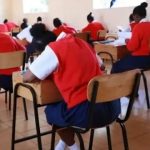
The court also heard that the children were continuing with their education and were expected to sit for examinations the following week.
Children’s officer Hilda Mbatha confirmed that the minors were attending classes as previously directed, and the judge ordered that their education continue uninterrupted.
The matter will be mentioned on November 11, 2026.