

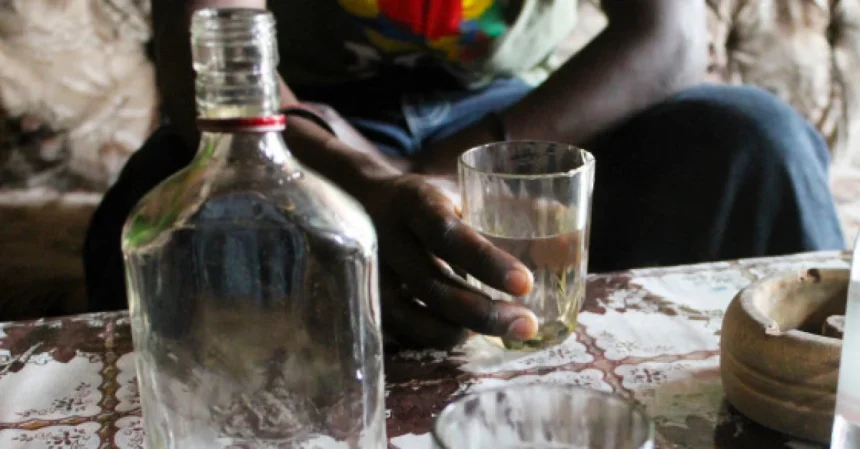
Residents in Kirinyaga County have raised concern over the increasing sale and consumption of illicit alcohol, warning that the menace is taking a toll on families and communities.
Speaking in Piai, Catholic Women Association (CWA) members Susan Wangari and Nancy Wambui from South Ngariama said the growing number of counterfeit alcoholic drinks and bars in villages was worrying.
They said many men and boys are spending most of their time drinking, leaving families struggling with its effects.
The women also raised concern over the sale and use of bhang, saying sellers and users have developed coded language that makes it difficult for authorities to detect the trade.
Nancy Wambui said some families are struggling to cope with the effects of alcohol and drug abuse.
“Even if you wash their clothes, they don’t wear them. They don’t eat even if you force them,” she said.
Meanwhile, chiefs, assistant chiefs and village elders in Mwea have been directed to step up efforts to combat the sale and consumption of illicit alcohol in the county.
Speaking to local administrators, Mwea-West Deputy County Commissioner Kennedy Nyaboga recalled the February 2024 tragedy in Kangai and Mutithi wards, where more than 17 people died while others lost their sight after consuming illicit brew.
Nyaboga warned that administrators who fail to tackle the menace in their areas would be held personally responsible. He also urged them to remain vigilant during the renewal of liquor licenses to prevent a repeat of the 2024 tragedy.
Kirinyaga Central MP Joseph Gachoki Gitari, who attended the meeting, said chiefs and their assistants face numerous challenges in dealing with illicit alcohol.
He alleged that counterfeit brands are being sold in the county, with some bar owners displaying genuine products while selling counterfeit ones under the counter.
Gitari also raised concerns over the licensing of bars, alleging that some county officials collude with bar owners to issue licenses even after security teams have assessed and identified establishments that should operate.
He called for closer scrutiny of liquor licenses, particularly those issued to premises operating as bars and nightclubs.