

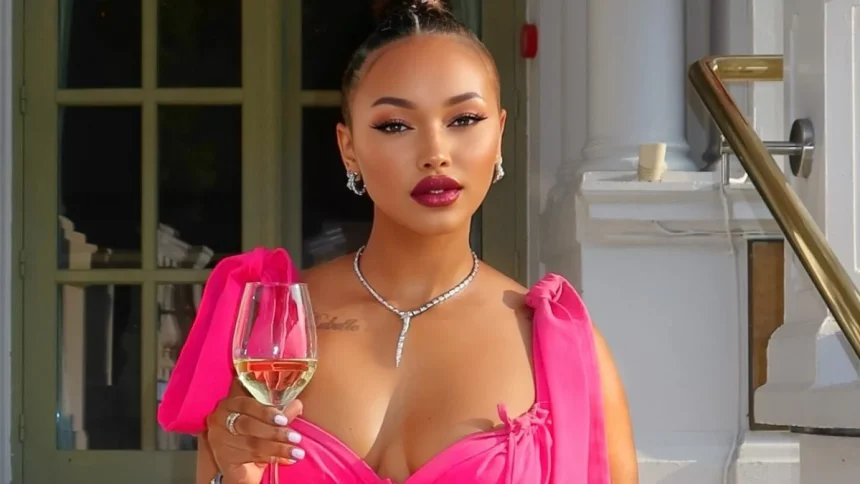
Huddah Monroe has criticised parents who feature their children in social media content for commercial purposes, questioning the practice of turning babies into marketing tools before they can consent.
In a series of Instagram stories shared on Wednesday, November 4, 2026, the socialite raised concerns about children being exposed to public attention from birth, arguing that the practice could affect their privacy and childhood.
She also questioned the pressure placed on people to have children, linking her concerns to broader issues of economic freedom and what she described as modern-day slavery.
Children and online marketing
Huddah argued that some parents begin using their children to promote products almost immediately after birth.

“Child started working from the maternity ward. Immediately they got out they started selling diapers,” she wrote.
She added that babies were being made to work from their first month, saying: “The umbilical cord Hasn’t even dried yet.”
Concerns over consent
The socialite warned that children could grow up resenting parents who share their images without permission.
“A lot of kids will grow up to hate their parents. Their image is plastered everywhere like cement without their consent,” she wrote.
She questioned the sustainability of childhood fame, noting that young people go through different stages as they mature, including adolescence and difficult periods in life.
Questions about parenthood
Huddah also asked followers to stop questioning her about when she intends to have children.

“Not all of us want to continue breeding slaves for governments,” she wrote, urging people to focus on improving their lives and finding a way out of what she called slavery.
She recalled growing up in Maasai land, where families sold land and livestock to educate their children up to university level. However, she questioned the opportunities awaiting graduates, citing unemployment, underdeveloped towns and poor infrastructure.
Concluding her posts, Huddah maintained that ordinary people remain trapped in systems controlled by privilege.
“We are all slaves. Your kids slaves unless you come from royalty,” she wrote.