

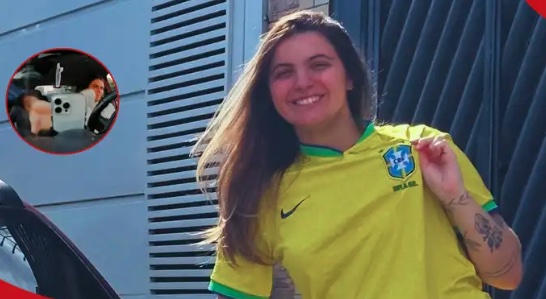
Brazilian automotive content creator Tabata Lenk had her iPhone stolen in a terrifying smash-and-grab attack while stuck in traffic on Avenida Tancredo Neves in São Paulo on August 28.
The incident, captured entirely by her vehicle’s dashcam, has since gone viral and sparked a wider conversation about smartphone security in Brazil.
How was Tabata Lenk robbed?
The footage shows two men pulling up alongside Lenk’s stationary car on a motorcycle. Within seconds, one of them shattered the passenger-side window, ripped the iPhone from its dashboard mount and fled on the waiting bike.
The whole ordeal lasted less than two seconds. Lenk, visibly shaken, was seen hyperventilating in the footage as nearby bystanders rushed over to help.
The attack itself was distressing enough, but what unfolded shortly after made things considerably worse.
Lenk said the criminals managed to access her Nubank banking app and transferred KSh 49,000 out of her account despite the phone being locked.
She was clear that the thieves did not have her passcode, could not have used Face ID, and did not know her banking transaction PIN.
To make matters more painful, the iPhone had not even been fully paid off. Lenk had been purchasing it through 12 monthly instalments.
After the incident, she acted quickly, remotely locking the device and activating its location tracker before reporting the theft to São Paulo police. She also formally disputed the unauthorised Nubank transaction.
Is there a surge in crime?
The robbery is linked to a well-documented street crime method in Brazil called the “gangue do quebra-vidro,” which translates to the window-breaking gang.
Criminal groups operating this way specifically target motorists in slow or stationary traffic, striking fast and disappearing before victims can react.
The case has reignited concern among digital security professionals about how criminals can gain access to financial apps on stolen, locked devices.
Experts have advised motorists to avoid mounting phones in highly visible positions inside vehicles and to activate features such as Apple’s Stolen Device Protection, which adds extra layers of security when a device is used in an unfamiliar location.
Lenk’s ordeal is a stark reminder that in an era where a smartphone holds access to banking, personal data and digital identities, the consequences of theft can extend far beyond the physical loss of a device.
Watch the video below:
View this post on Instagram