
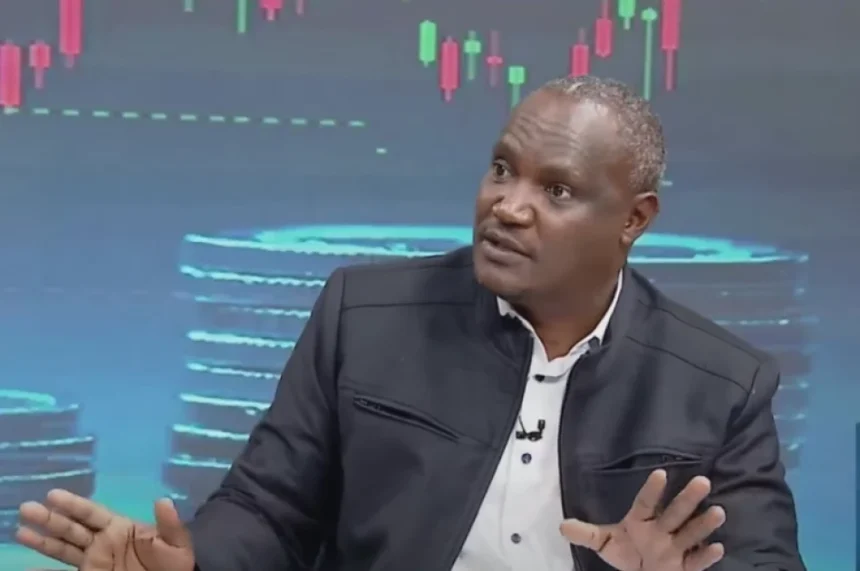
Speaking to NTV on Monday, Mbadi acknowledged that higher pump prices are hurting Kenyans and could negatively affect key economic indicators including inflation, interest rates, foreign exchange reserves and the exchange rate.
“The prices have gone high, that’s a fact, and it is really hurting and it has hit the economy,” he said, adding that the government would make decisions that are “informed and not emotional.”
He attributed the spike in petroleum prices to the war that broke out on February 28, 2026, saying Kenya is grappling with a global crisis it did not cause.
“This is a war that we have not caused… but because we don’t have the ability to stop it, it has to hit our economies,” Mbadi said.
He argued that global diesel prices had risen sharply, citing an increase in the Platts index price for diesel from 642 dollars per metric tonne in late February to 1,120 dollars per metric tonne, which he said was a 76 per cent jump.
Mbadi said diesel pump prices in Kenya have risen by about 55 per cent over the same period, claiming the government had absorbed more than 20 per cent of the increase.
“If we were to leave the prices without any intervention as a government, diesel today would be costing us not less than 35 shillings more. And petrol actually would be costing us over 70 shillings more,” he said.
Mbadi said the government had reduced VAT on petroleum products from 16 per cent to 8 per cent, which he said translates to a revenue loss of about Sh12 billion per month.
He also said the government has been using the Petroleum Development Levy (PDL) fund to cushion consumers, noting that the fund had Sh17 billion at the start of the crisis and has since been drawn down.
He said Sh6.2 billion was applied in April and another Sh5 billion in May, leaving about Sh5 billion to cover the remainder of the financial year.
By Mbadi’s account, the VAT reduction and PDL intervention amount to about Sh35 billion in two months, at a time when the government is also grappling with budget constraints.
Mbadi said government spending is largely inflexible due to debt repayment and salaries, leaving limited room for additional measures.
He said out of an estimated Sh3.63 trillion in revenue for the next financial year, Sh1.5 trillion would go to debt repayment and about Sh1 trillion to salaries, while Sh420 billion would be allocated to counties.
Mbadi also defended spending on security and intelligence, saying Kenya’s regional security environment requires sustained funding.
The CS said the government would continue reviewing options depending on how long the crisis in the Middle East lasts, but cautioned against what he termed politicisation of the issue.