

Communities across Kenya have been challenged to turn their cultural heritage and indigenous knowledge into profitable enterprises that can create jobs, boost household incomes and open new markets for locally made products.
Head of Public Service Felix Koskei says traditional skills, knowledge and cultural products have significant economic potential if communities move beyond showcasing their heritage to commercially exploiting their skills and innovations.
Speaking during the two-day Laikipia Cultural Tourism Festival at Rumuruti Stadium, Koskei said the government remains committed to improving the welfare of marginalised and minority communities while safeguarding their cultural heritage.
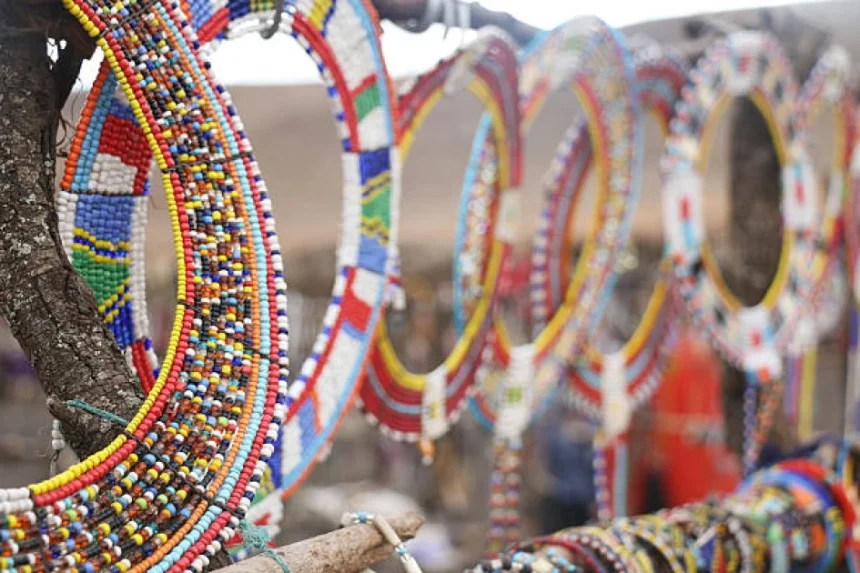
The festival brought together members of the Kikuyu, Meru, Turkana, Yiaku, Maasai, Samburu, Endorois/Tugen, Pokot, Nandi, Kipsigis and Keiyo communities, who showcased traditional foods, music, arts and crafts, as well as indigenous technologies.
Tourism and Wildlife Cabinet Secretary Rebecca Miano said cultural tourism presents an opportunity to attract more visitors and increase earnings for local communities as Kenya seeks to diversify its tourism offering beyond wildlife.
Koskei said the government has established a Directorate of Minorities and is implementing measures aimed at improving access to essential services among vulnerable groups, including education bursaries and free registration with the Social Health Authority.
Leaders at the festival also called on communities to use cultural exchanges to promote peace and strengthen social cohesion.
They said cultural festivals can help break stereotypes, deepen understanding and rebuild relationships among communities affected by historical conflicts, including those linked to cattle rustling.
The leaders urged communities to preserve their traditions while embracing opportunities to package and market their cultural products for both local and international consumers.