

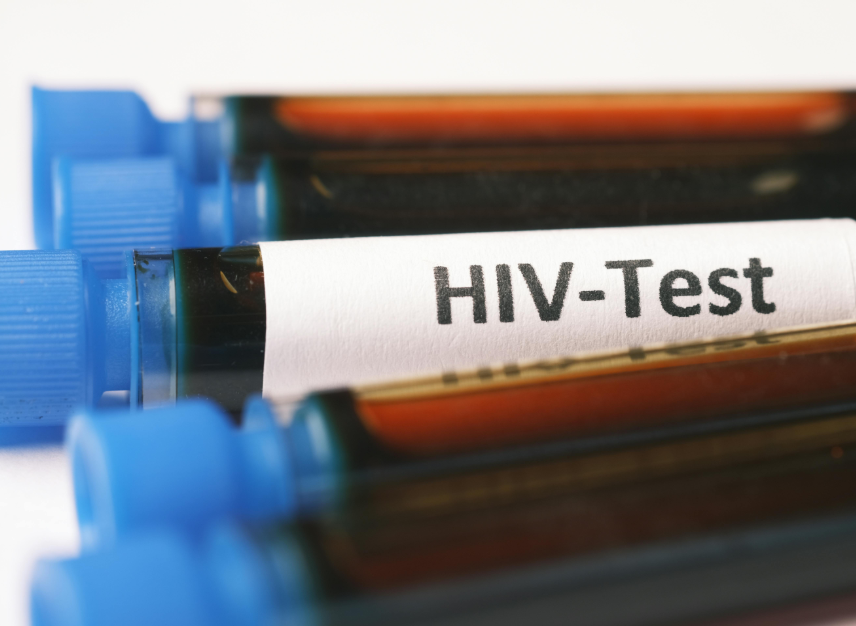
World AIDS Day was on December 1, and the numbers reminded us of the challenge Kenya still faces. In 2024, Kenya recorded 19,991 new HIV infections, a sharp rise from the previous year.
Nairobi led the country with about 3,045 cases, becoming the biggest hotspot. The statistics indicate that the system is struggling to keep pace with how young people live, love, and move.
Young people aged 15 to 34 are at the centre of the surge, with young women disproportionately affected. What are the reasons why there is a rise in cases among the young population, and what does this mean for the global 2030 AIDS-free goal?
Attitude
Attitudes toward protection are one defining gap in the fight against HIV. Many young people resist using condoms, and some are too drunk or high during sexual encounters to remember or care about using them. This risky behaviour, combined with inconsistent access to prevention services, is a major reason for the rising infections.

The system simply has not evolved to reach youth where they are, in ways they can relate to. Many do not get tested regularly, and prevention tools like condoms and PrEP are often inaccessible in the places where they socialise. Youth are mobile, socially active, and experimenting with relationships, nightlife, and peer networks, lifestyles that the current HIV system is not fully adapted to.
Structural and funding gaps
Beyond behaviour, structural issues amplify the problem. Nairobi’s dense population, informal settlements, and limited youth-friendly health services make it harder for prevention and treatment programs to reach the people who need them most. Programs designed for a slower, more controlled delivery model are failing to match the speed and realities of Gen Z life.

Funding is also a major factor that is slowing the fight against HIV. In early 2025, the United States froze foreign aid, a major source of Kenya’s HIV treatment support. Millions of dollars’ worth of antiretroviral drugs and HIV supplies were stuck in warehouses, while some clinics began rationing medication. Kenya has relied on foreign support for around forty per cent of HIV treatment, revealing how vulnerable the system is when external funding fluctuates.
Playing catch-up
The 2030 AIDS-free goal is still achievable, but the system must adapt to Gen Z realities. Testing and prevention need to meet youth where they are: mobile and night-friendly testing, condoms and PrEP accessible in social spaces, and peer-led, engaging education that resonates.
Domestic investment in HIV care must increase, and local drug procurement must be strengthened to prevent supply gaps. Integrating HIV services into routine healthcare can also stabilise treatment. Community-led outreach, stigma reduction, and open conversations will ensure youth feel safe to test, seek care, and practice prevention.
Local strategies must be data-driven, targeting hotspots like Nairobi with tailored approaches rather than relying solely on national policies. If these changes happen, the system can finally start keeping up with the young people’s fast-paced world.
Honest information, accessible prevention, and zero shame around testing are the tools Kenya needs to meet its youth halfway. If the system adapts and young people engage, the 2030 AIDS-free dream is still possible. World AIDS Day showed progress, but the rising numbers are a wake-up call.
The heartbeat of the country is its youth, and only by meeting them on their terms can the dream survive.