

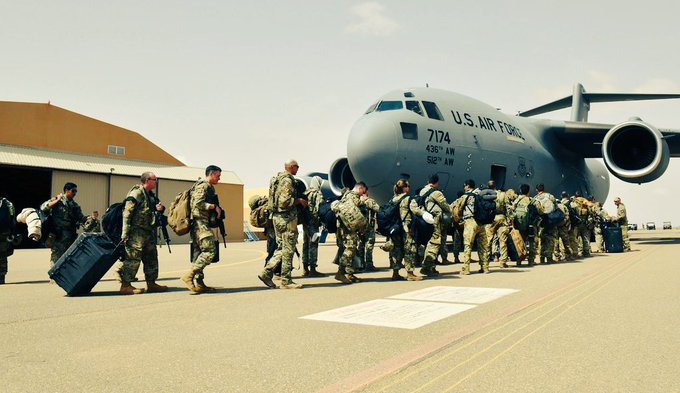
Iraq has announced the complete withdrawal of United States forces from military facilities within its federal territory, marking a major shift in the country’s security arrangements. The withdrawal does not apply to the Kurdistan Region, where US troops remain stationed.
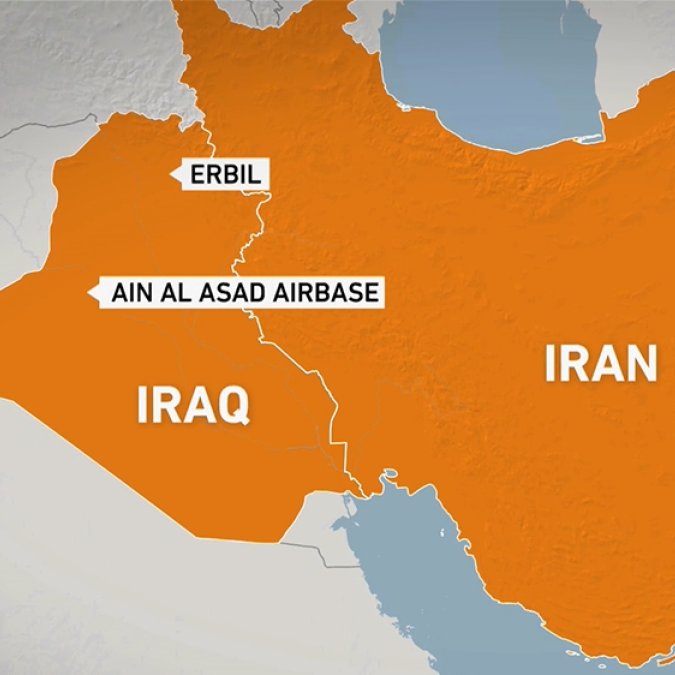
The Iraqi defense ministry said the final group of US military advisers departed from Al-Asad Air Base in Anbar province, ending a presence that lasted more than two decades. Al-Asad had been one of the most significant US military hubs in western Iraq.
The drawdown follows several years of gradual reductions after Baghdad formally requested a decrease in US forces. In addition to leaving Al-Asad, the US-led coalition against the Islamic State also withdrew from the Joint Operations Command headquarters, transferring full control of the facilities to Iraqi security forces.
US troops continue to operate from Harir Air Base in Erbil province within the Kurdistan Region. Iraq’s central government does not exercise full authority over the region, which functions as an autonomous federal entity with its own government, parliament, and security forces under the country’s constitution.
The US military presence in Iraq has fluctuated sharply since the 2003 invasion. At its peak, troop numbers reached about 170,000. American forces withdrew in 2011 before returning in 2014 at the request of the Iraqi government to assist in the fight against ISIS. Since the end of the US combat role, the remaining troops have served in advisory and support capacities.
Footage released by the Iraqi defense ministry showed senior military commanders inspecting empty corridors and facilities at Al-Asad Air Base following the handover. US Central Command confirmed that the transfer of installations to Iraqi authorities had taken place, without providing further details.
The withdrawal comes amid heightened regional tensions involving the United States and Iran. Al-Asad Air Base has been targeted repeatedly over the years by Iran and Iran-aligned armed groups. In one of the most notable incidents, Iran launched ballistic missiles at the base in retaliation for a US drone strike that killed senior Iranian military commander Qasem Soleimani. More recent attacks linked to regional conflicts resulted in injuries to US personnel and contractors.
Iraqi officials said the country’s armed forces now possess sufficient capability to secure national territory. Future cooperation withhe United States is expected to focus on training, equipment acquisition, joint exercises, and operational coordination under bilateral agreements.
While Iraq considers the coalition mission concluded within its federal territory, operations against ISIS and other militant groups continue in neighboring Syria. Iraqi authorities indicated that logistical support may still transit through the coalition’s base in Erbil and did not rule out joint counter-ISIS operations launched from Al-Asad if deemed necessary.
The US withdrawal could also strengthen Baghdad’s position in negotiations over the disarmament of non-state armed groups. Several Iran-backed militias have cited the presence of foreign forces as justification for retaining their weapons, arguing that full sovereignty requires the departure of all foreign troops. There were no immediate reactions from the groups following the announcement.