

In a statement, MAK claimed that there is a coordinated fuel shortage to justify upcoming price hikes in the country since the shortages contradict the government’s stance on the product’s availability.
Energy Cabinet Secretary (CS) Opiyo Wandayi dispelled fears of fuel shortages in the country despite the global supply being affected by the ongoing Middle-East war, assuring that Kenya has enough fuel.
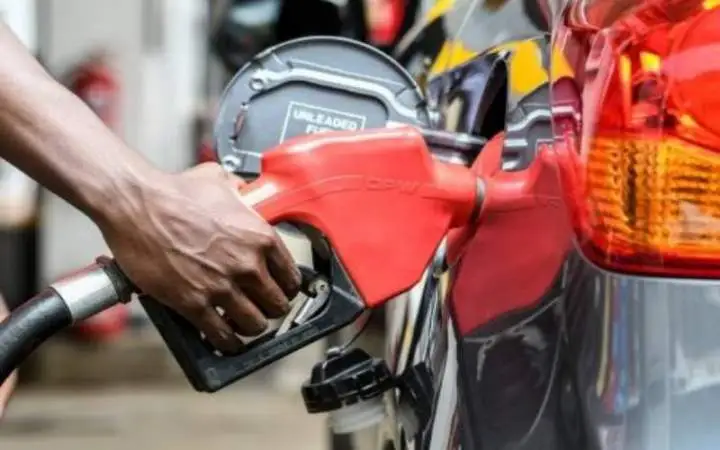
MAK questioned why many Kenyans are still stranded at petrol stationsacross the country, despite the assurance from the State
“Downstream fuel stations are hoarding product, creating an artificial scarcity to justify an upcoming price hike,” the statement read in part.
“These retailers are operating with the silent blessing of the Ministry, assured that no regulatory action will be taken against them for withholding essential supplies.”
The Association further cast doubt on the Ksh.4.8 billion fuel scandal, involving a deal to import two petroleum consignments weighing a total of 128,000 tonnes, outside the Government-to-Government framework.
It claimed that the government uses the G-to-G deal when it suits them and a scapegoat when it does not.
“The “scandals” and conflicting reports regarding the G-to-G exit are merely distraction tactics. They are intended to confuse the public and provide cover for government operatives to interfere with supply for ulterior motives and illicit profiteering,” MAK added.
It has also questioned why the Energy and Petroleum Regulatory Authority (EPRA) has remained silent as the crisis brews.
It has now demanded the resignation of CS Wandayi, arguing that he has presided over the alleged confusion and nationwide shortage.
“He has lost the transport sector’s confidence and must vacate the office immediately,” it noted.
It also wants an immediate license cancellation for major oil stations hoarding fuel and a transparent deployment of the fuel Stabilisation Fund to cushion motorists.
On Tuesday, the government ordered One Petroleum Ltd to withdraw invoices and export a consignment of super petrol imported outside the G-to-G framework, saying the shipment posed a risk to fuel supply stability and would have significantly increased pump prices.
The Ministry of Energy said that the 60,000-metric-tonne consignment was imported “in contravention of the procedures” under the G-to-G deal.
The Ministry clarified that Kenya entered into master framework agreements on March 10, 2023, for the supply of super petrol, diesel and jet fuel/kerosene under a G-to-G arrangement with Aramco Trading, Fujairah FZE, ADNOC Global Trading Limited and Emirates National Oil Company (Singapore) Private Limited, anchored in the Petroleum (Importation) Regulations, 2023.
It added that the arrangement has supported a steady supply of refined products locally and regionally, and helped protect foreign exchange stability, adding that it has also enhanced price stability and the integrity of product quality along the supply chain.