

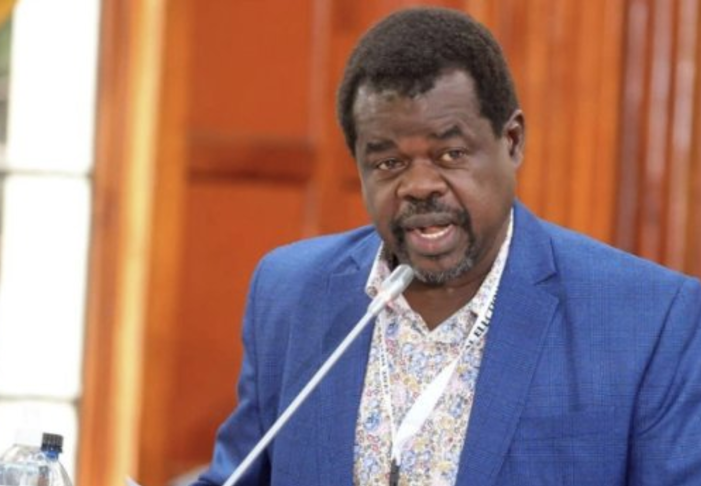
In submissions dated March 31, 2026, Omtatah, alongside Bernard Muchiri and Naomi Nyakerario, argue that the Attorney-General’s move is legally flawed and intended to shield what they describe as unconstitutional executive actions from judicial scrutiny.
The dispute revolves around the government’s ongoing privatisation process, including that of KPC which the petitioners claim is being undertaken in violation of the Constitution.
They fault the Attorney-General’s reliance on the doctrine of res judicata, arguing that the objection does not meet the legal threshold for a preliminary objection.
According to petitioners, determining whether the issues have already been decided would require a detailed examination of facts and past rulings, making it unsuitable for determination at a preliminary stage.
Omtatah, Muchiri and Nyakerario maintain that their petition introduces fresh constitutional questions that were not addressed in previous cases, including the constitutionality of the Privatisation Act, 2025, the alleged role of the International Monetary Fund (IMF) in influencing government policy, and claims of financial irregularities involving KPC.
Other issues raised include the legality of recent appointments to the Privatisation Authority and the use of a Sessional Paper, rather than legislation, to approve the privatisation process.
The petitioners also argue that earlier court decisions cited by the Attorney-General, including recent 2026 rulings, do not bar their case. They note that those decisions were made by courts of equal jurisdiction and therefore do not bind the current court, and in any event addressed narrower issues.
They reject claims that the petition amounts to an abuse of the court process, insisting that it is based on new facts, new legal questions, and ongoing developments.
On the government’s position that the KPC privatisation process has already been concluded, the petitioners argue that the matter remains legally alive and capable of being challenged.
They argue that the courts have the power to nullify decisions even after implementation if constitutional violations are established.
The petitioners also dismiss the argument that they should have first sought redress through administrative bodies, stating that the issues raised are purely constitutional and fall within the jurisdiction of the High Court.
They urge the court not to summarily dismiss the case, citing established legal principles that caution against striking out suits unless they are plainly hopeless and disclose no reasonable cause of action.
Given the weight of the issues raised, the petitioners have asked the court to certify the matter as raising substantial questions of law and refer it to a bench of three or more judges.