

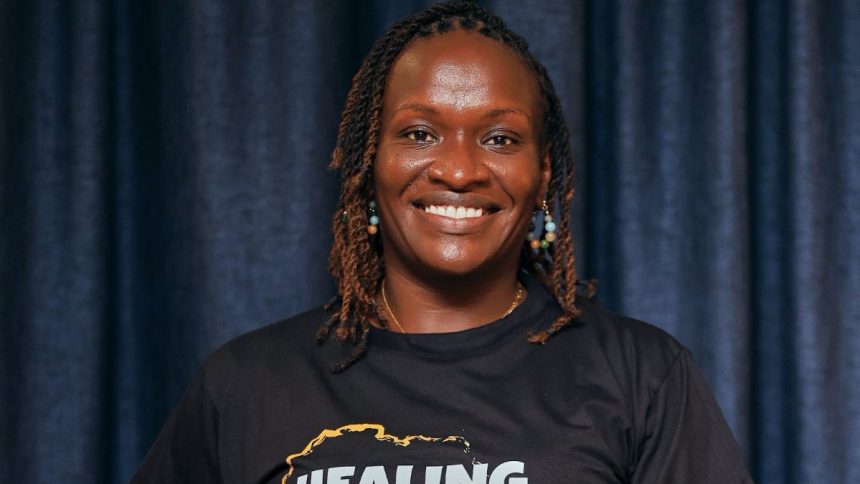
Popular media personality and stand-up comedian Mercy Wangari Nguri, famously known as Auntie Jemimah, has opened up about her mental health journey, saying cyberbullying and repeated insults about her appearance pushed her into therapy after she became a public figure.
On Thursday, April 9, 2026, she said the attacks started after she joined public life and continued for years, affecting how she viewed herself and others online.
She explained that at the time, she felt deeply affected by the comments and did not fully understand what was happening to her emotionally. She said the experience forced her to seek professional help as the pressure became too much to handle alone.
“Cyberbullying got me to therapy, and this was the fourth year after I joined … after I became a public figure,” Auntie Jemimah said.
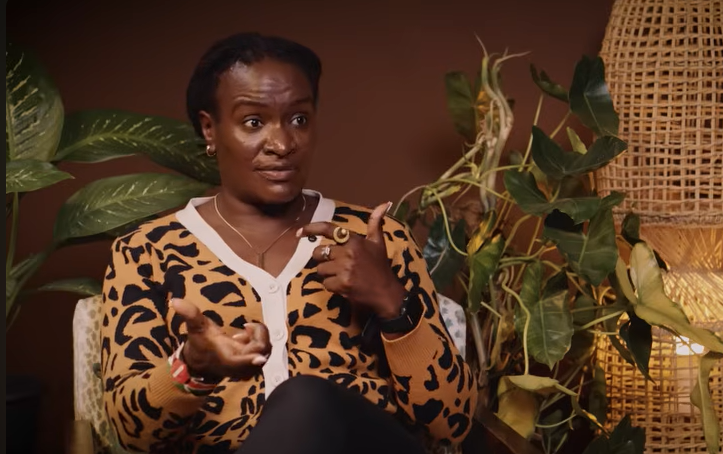
She added that looking back, she now understands many of the comments were not real reflections of her but projections from people online. She said at the time, however, she felt personally attacked and judged based on her appearance.
“There were a lot of projections. Now I call them projections. Because back then I felt like these people were just attacking me,” Auntie Jemimah said.
Experiences from online attacks
Auntie Jemimah said most of the criticism she received was focused on how she looks, especially her skin tone and facial features. She explained that one of the most common insults she faced was being told she looked like a man.
“The one I got most was ‘you look like a man’,” Auntie Jemimah said.
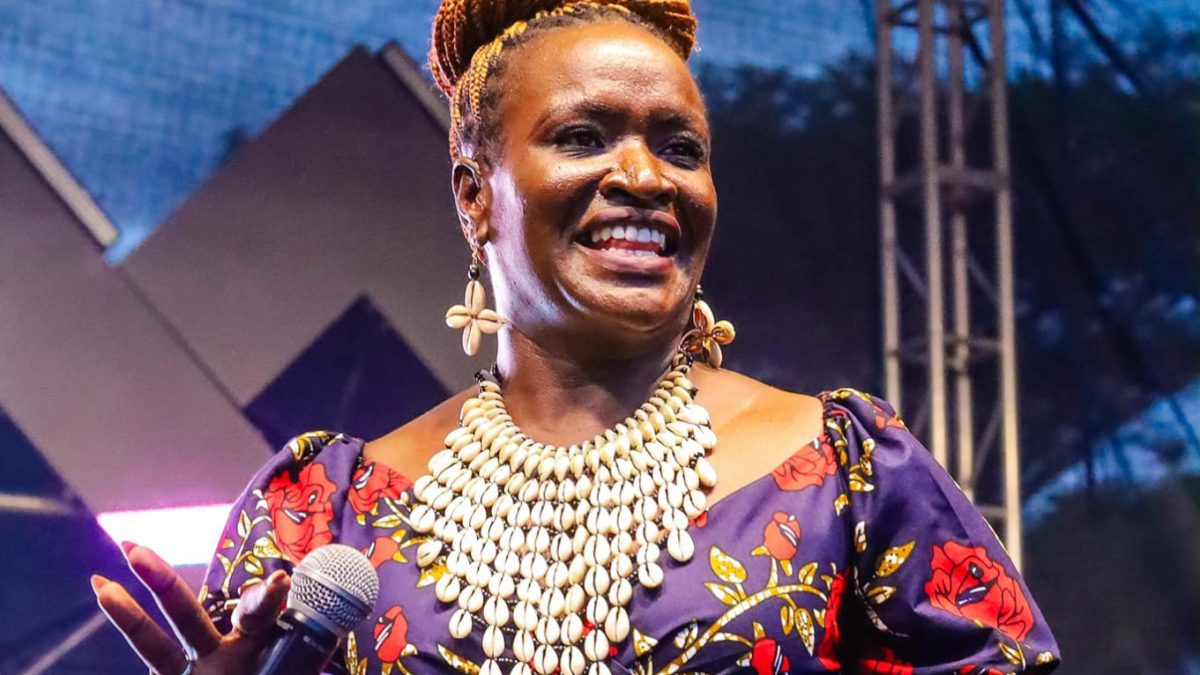
She said such comments affected many dark-skinned women in similar ways, adding that she believes there is a deeper issue in how beauty is perceived. She explained that the association between dark skin and masculinity is something she does not understand.
“A lot of dark women go through that. I don’t know why people associate dark women with… or dark skin with men,” Auntie Jemimah said.
Auntie Jemimah said the intention behind such comments is often to make people feel unattractive or not good enough. She added that over time, she learned to recognise these remarks as harmful projections rather than truth.
“And so when they tell you that, the aim is to make you feel like you don’t look good enough,” Auntie Jemimah said.