

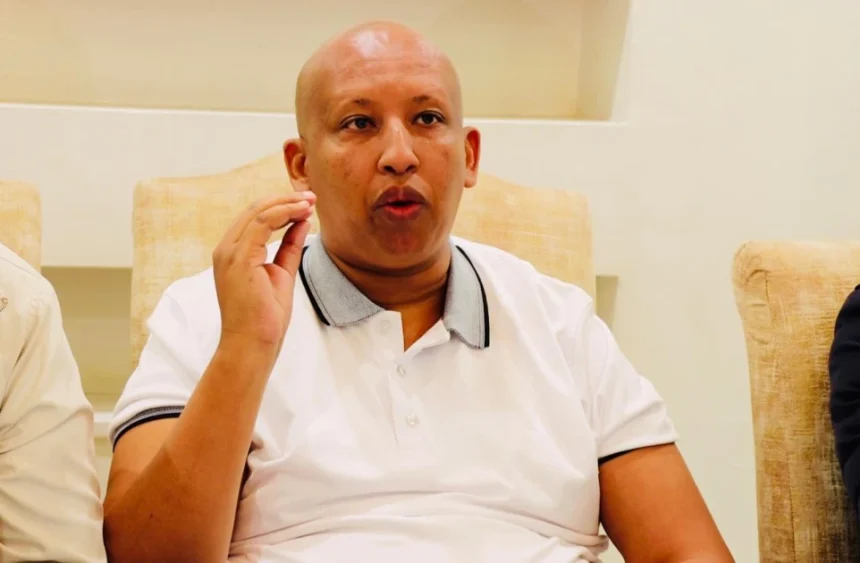
In a statement on Monday, Northern Kenya PWDs chairman Hafid Maalim Ibrahim said the group was concerned that, despite repeated commitments to inclusivity, PWDs remain largely absent from national discourse and decision-making processes.
The statement noted that presidential addresses frequently highlight the needs of women, youth, and other marginalized groups, but rarely reference persons with disabilities. According to the group, this omission reflects a broader pattern that has translated into limited representation in key government engagements.
They further alleged that PWDs are often included in national events in symbolic roles, with little opportunity for meaningful participation. The group also claimed that disability representatives have not been adequately engaged in high-level forums, including meetings at State House.
Concerns were also raised over what the group described as a lack of deliberate appointments of persons with disabilities within government structures. The statement questioned the absence of PWD representation in strategic offices such as advisory roles and delivery units.
The situation in Northern Kenya, the group said, is compounded by political parties that have allegedly failed to nominate persons with disabilities for elective or appointive positions, further limiting their representation.
While noting that the exclusion may not be intentional, the group termed it a significant oversight that undermines inclusive governance. They called on the government to take corrective measures, including recognizing PWDs in national addresses, engaging their leaders in dialogue at State House, and ensuring representation from Northern Kenya in future appointments.