

As Nigeria slowly moves toward the 2027 general elections, conversations around electoral transparency, procurement processes, and the printing of sensitive election materials are beginning to attract public attention.
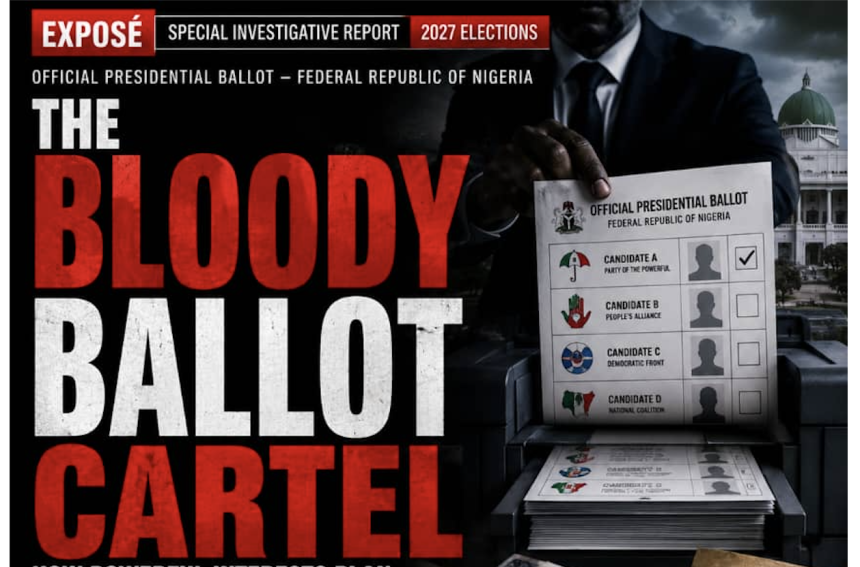
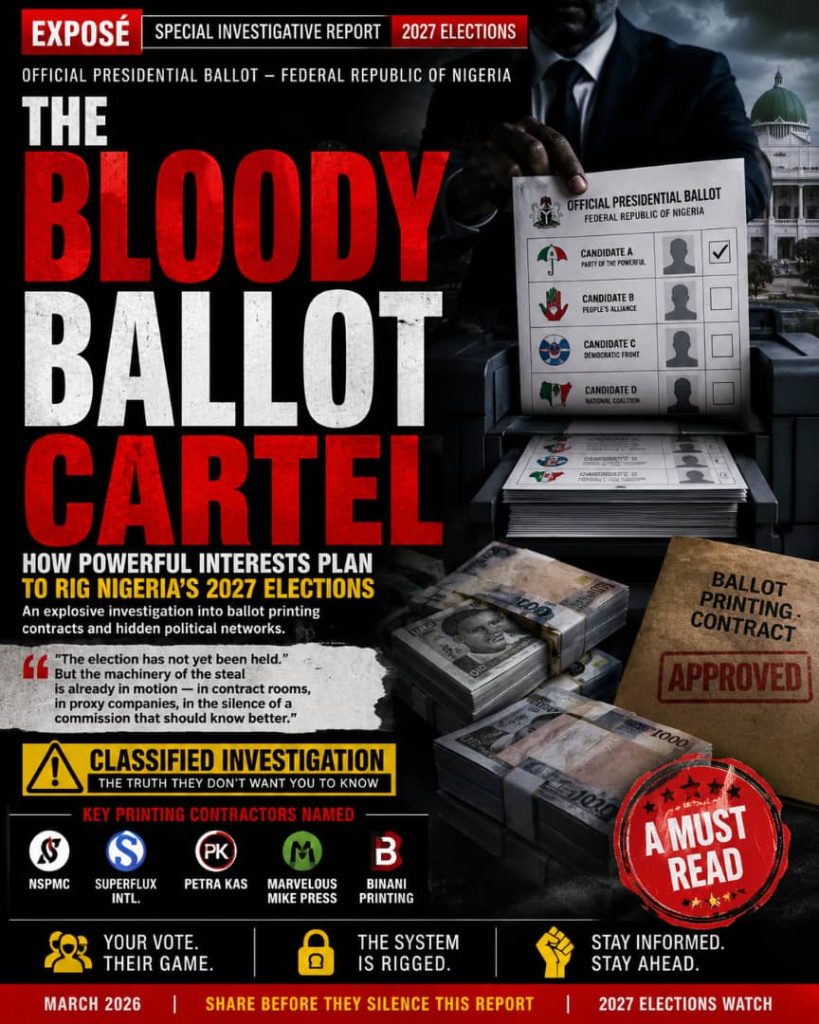
A recently circulated investigative publication titled “The Bloody Ballot: Political Cartel” raises serious allegations about how electoral printing contracts may allegedly be influenced by politically connected interests ahead of the next presidential election.
While many of the claims remain allegations and have not been independently verified by a court of law, the document has sparked wider discussions about a critical question:
Who should control the production of Nigeria’s ballot papers?
Why Ballot Printing Matters
Election experts worldwide agree that the production of ballot papers is one of the most sensitive stages of any democratic process.
For years, Nigeria relied heavily on foreign printing companies for certain electoral materials. The idea behind offshore printing was simple: remove ballot production from local political influence and ensure an additional layer of neutrality.
However, in recent election cycles, there has been a gradual shift toward local production of election materials. Supporters of this approach argue that it:
- Supports Nigerian businesses
- Saves foreign exchange
- Builds local technical capacity
- Reduces international logistics costs
Critics, however, fear that localising ballot production could expose the process to political interference if proper safeguards are not enforced.
The Allegations Being Raised
The publication circulating online alleges that several politically connected companies may be positioned to benefit from sensitive election printing contracts ahead of 2027.
Among the concerns highlighted are:
- Alleged lack of transparency in procurement procedures
- Questions around political affiliations of certain printing firms
- Claims that some contractors lacked previous experience in secure electoral printing
- Concerns over oversight and accountability in the procurement process
The report also references previous controversies involving election-related contracts and calls for greater scrutiny from civil society organisations, journalists, and oversight institutions.
Importantly, these claims remain allegations contained within an anonymous investigative publication and should be treated as such unless officially proven through legal or regulatory findings.
A Debate Bigger Than Politics
Beyond the political accusations, the issue touches on a broader democratic concern: trust.
In any election, public confidence depends not only on voting day itself, but on every process leading up to it — including:
- Procurement
- Printing
- Storage
- Distribution
- Result management
When citizens begin questioning those systems, confidence in the electoral process can weaken long before ballots are cast.
That is why transparency matters.
Calls for Greater Oversight
The publication calls for:
- More transparent procurement processes
- Independent monitoring of election material production
- Full disclosure of contractors handling sensitive electoral materials
- Stronger oversight from regulatory agencies and civil society groups
Election observers and governance advocates have long argued that transparency is essential for strengthening democratic institutions, regardless of which political party is in power.
Why This Story Matters
Whether the allegations in the document are ultimately substantiated or not, the conversation itself highlights a growing public demand for accountability and electoral integrity in Nigeria.
As the 2027 elections approach, Nigerians are likely to pay closer attention not only to candidates and campaigns, but also to the systems operating behind the scenes.
Democracy depends not only on the right to vote, but also on public confidence that every vote is protected.