

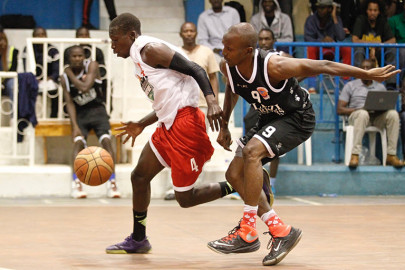
For Kisumu Lakeside, the trip to Nairobi was meant to be a points-hunting mission—but it quickly turned into a weekend of missed opportunities and hard lessons in execution.
The Kisumu-based side fell in back-to-back Kenya Premier League fixtures, going down to Ulinzi Warriors on Saturday before narrowly losing to Umoja Basketball Club on Sunday in a game that slipped through their fingers late on.
On Saturday, Lakeside actually started on the front foot against Ulinzi, bursting into a 9–2 lead and showing early attacking intent. But what followed exposed a recurring problem—inability to sustain tempo and control the game.
Once Ulinzi settled, Lakeside’s offense began to stall. Ball movement slowed, possessions became rushed, and defensive rotations lagged behind the Warriors’ execution.
By halftime, the game had already tilted, with Lakeside trailing 44–31—largely a result of second-quarter lapses, poor shot selection, and limited conversion at the free-throw line.
The second half told a familiar story. Lakeside struggled to string together stops, allowing the gap to stretch further before eventually falling 77–61.
It wasn’t just the loss—it was how the game drifted away. After a bright start, Lakeside failed to adjust, failed to respond, and ultimately lost control of the rhythm.
Sunday, however, will sting more.
Against Umoja, Lakeside delivered a far more composed and competitive performance, one that showed their potential when execution clicks.
Despite a slow start that saw them post just 5 points in the opening quarter, Lakeside clawed their way back into the contest, gradually tightening their defense and finding better offensive flow.
By the end of the third quarter, they had flipped the narrative, trailing by just one point (54–55), a remarkable recovery that set up a tense final period.
Down the stretch, the game remained within reach. With just over a minute to play, Lakeside were still within five points, very much alive and within striking distance.
But in crunch time, the small details proved costly.
Missed free throws, hurried possessions, and a lack of composure in key moments allowed Umoja to close the game out, handing Lakeside a 75–63 defeat.
Even in defeat, Lakeside had standout contributors. Roberts Hope led the scoring with 16 points, providing efficiency and presence inside. Gary Trevor who is coming back after a year’s hiatus added 13 points, stepping up in key offensive stretches. Lastly Joshua Omwoyo contributed 12 points and 4 assists, orchestrating play and keeping Lakeside competitive.
For Umoja, the edge came from their key performers Joel Ntambwe who dominated with 19 points and 14 rebounds, controlling the paint.
Meanwhile, Thomas Mutiso also added 19 points as point guard, Bobby Onyango influenced the game beyond scoring, finishing with a +22 impact.
Across both games, the pattern was clear. Lakeside showed they can compete. They started strong against Ulinzi and went toe-to-toe with Umoja for three quarters.
But basketball is a game of fine margins.
- Slow starts forced them into catch-up mode
- Inconsistent shooting stalled momentum
- Missed free throws left crucial points on the table
- And in decisive moments, execution under pressure fell short
The back-to-back losses now leave Lakeside in 10th place on the log after four games, sitting just two spots shy of a playoff berth—a position that underlines both their struggles and the opportunity still within reach.
In Nairobi, Lakeside didn’t just lose two games—they were handed a clear blueprint of what needs fixing.
Now, the challenge is simple, but urgent: clean up the details, close out games, and turn promise into points.
The federation says the goal is to ensure a more structured and inclusive football ecosystem from the community level to elite competition.