


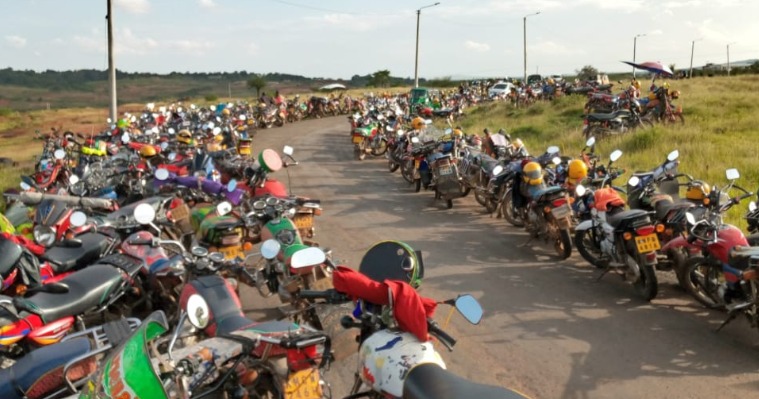
Media personality Sheila Kwamboka, popularly known as Kwambox, has proposed capping boda bodas per county to reduce accidents.
She says the high number of boda bodas on the roads is a major cause of traffic accidents.
“This is what I think should happen. Number 1, there should be a limited number of Boda Boda per county, yeah, because think about it. We need to cap. If it is 1000 or 500, this is the amount of Nduthis we need, say, for example, in Nairobi,” she said in a YouTube video on Wednesday, February 18, 2026.
Kwambox added that many nduthis cause accidents because they do not know traffic rules.

“How many nduthi learners have you seen on the road? Have you seen a nduthi with the sticker L?” she asked.
She explained that capping boda bodas would help reduce chaos and make roads safer for both riders and other road users. Kwambox emphasised that without limits, the number of untrained riders on the roads will continue to rise. She called for strict enforcement and proper licensing to ensure that all nduthis meet safety requirements.
Boda boda numbers and road safety
Kwambox noted that limiting boda bodas per county could also help manage traffic congestion. She said that in big cities like Nairobi, thousands of nduthis are on the roads every day, making accidents more likely.
“A lot of nduthis cause accidents because they don’t know the traffic rules,” she repeated, highlighting the urgent need for regulation.
She added that authorities must monitor compliance to prevent learners and unlicensed riders from operating illegally.
In January 2026, matatu operators threatened to launch a nationwide strike starting Monday, February 2, 2026. They accused the government of failing to act on repeated reports of matatus and other vehicles being torched by boda boda riders. The operators said the continued attacks on private vehicles and the lack of arrests left them with no choice but to withdraw their fleets.
“We do not have issues with the government, we do not have any issue with paying taxes, the issue we have is protection of our vehicles, and that no other vehicle should be torched,” a representative said.
Operators warned that if vehicles continue to be torched, there will be serious consequences. They stressed that their action is a demand for government protection and called for urgent intervention to avoid further losses.