

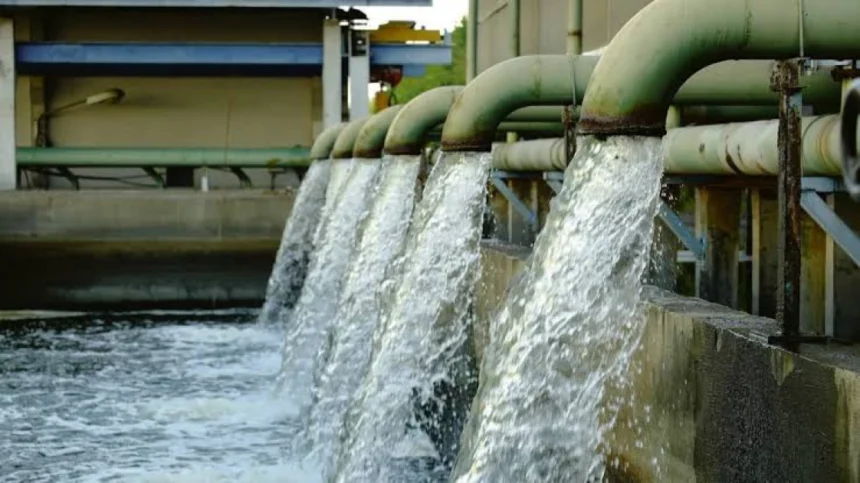
The Gigiri–Karura–Outer Ring Road Transmission Pipeline Project, being implemented by the (AWWDA), will enhance water transmission capacity and help address rising demand driven by Nairobi’s rapid urban growth.
The project recently received a Special User License from the (KFS), authorising controlled access to undertake a section of the works within Karura Forest in compliance with environmental and forest conservation regulations.
Financed by the and the (AFD), the 8.4-kilometre bulk transmission pipeline will deliver an additional 211 million litres of water per day to eastern Nairobi once completed. The system is designed to support projected water demand of about 370 million litres per day, benefiting an estimated three million residents.
The DN1400 transmission pipeline will run from Gigiri Reservoir to Karura Reservoir, before extending to Outer Ring Road. A three-kilometre section between Gigiri and Karura will be installed underground within an existing cycle track corridor inside , stretching from Whispers Avenue to Kiambu Road (KFS Gate C).
Project planners say the design deliberately utilises the existing cleared corridor to minimise environmental disturbance and avoid intrusion into undisturbed forest areas. The working space will be restricted to what is strictly necessary, with selective vegetation clearance and mandatory tree replacement for any that may be affected, in line with KFS guidelines.
Replanting and ecological restoration will be carried out in collaboration with conservation stakeholders, including Friends of Karura Forest.
Construction works within the forest are expected to take about four months (120 days), after which the affected areas will be restored in accordance with approved environmental management plans.
The project underwent a comprehensive Environmental and Social Impact Assessment (ESIA) in line with requirements under the Environmental Management and Coordination Act. The process involved extensive public participation with neighbouring residents, forest user groups, conservation organisations and other stakeholders.
Following the review process, the (NEMA) granted environmental approval for the project, with implementation to proceed under oversight from KFS, NEMA, Friends of Karura Forest and AWWDA.
Speaking after the approval, AWWDA Chief Executive Officer Eng. Joseph Kamau said the project is a key step toward strengthening Nairobi’s long-term water resilience.
“This transmission upgrade is a strategic intervention to strengthen bulk water conveyance and ensure reliable supply to eastern Nairobi as demand continues to grow,” he said.
“We recognise the environmental significance of Karura Forest and have carefully designed the works to utilise existing corridors, minimise disturbance and ensure full restoration. Our commitment is to deliver sustainable infrastructure that safeguards both ecological assets and public service delivery.”