

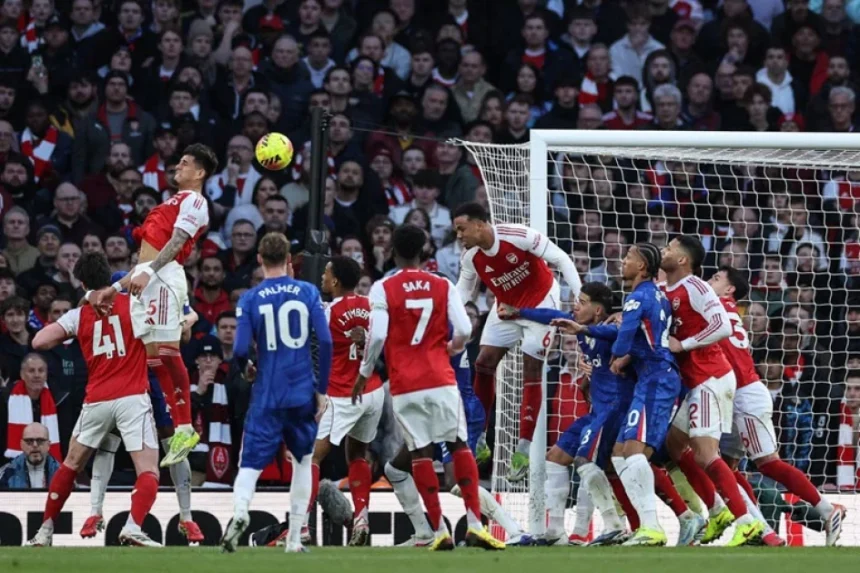
The Premier League’s global appeal is built on packed stadiums and electric atmospheres but as the arms race for talent intensifies, fans are feeling the pinch.
A recent UEFA report found English football’s “Big Six” — Arsenal, Chelsea, Liverpool, Manchester City, Manchester United and Tottenham – earned nearly 20 percent more from selling tickets for home matches in the 2024/25 season than 12 months before.
Revenue from bumper broadcasting deals and commercial sponsorship still provides the vast majority of income for Premier League teams.
But as the growth in TV money has slowed, clubs have focused on increasing matchday revenue, with many investing in stadium renovations and expansions, promising improved facilities and better experiences.
Fans pay the price, particularly local supporters, as clubs target tourists from far and wide who are willing to pay a premium.
In wealthy west London, Fulham boast a rooftop pool and top-grade catering in the hospitality section, but season tickets are among the most expensive in the league, priced at up to £3,000 ($4,000).
“The Riverside stand is a great asset, glad it’s at our football club, but it’s expensive for your average match-going fan,” Simon Duke of the Fulham Supporters’ Trust told AFP.
“In having this fantastic asset, thank you owners, but can you please use that to keep football affordable in the other three sides of the ground?”
Tourist market
Liverpool sparked outrage last week by announcing that prices will rise in line with inflation for the next three seasons.
Fans group Spirit of Shankly said the club “choose to disregard those who make LFC what it is”.
Major expansions of Anfield have increased capacity to 61,000, but there are just 34,000 season tickets available.
That allows the Premier League champions to sell nearly 50 percent of tickets on a match-by-match basis, often targeting day trippers willing to spend more on merchandise, food and drink.
“You look at the yield per fan, per match,” said football finance expert Kieran Maguire.
“You’re going to get more from a person that’s coming for an experience as opposed to some grumpy old bloke who’s been doing it for 50 years because the alternative is having to go to IKEA on a Saturday afternoon.”
Hospitality packages can cost several thousand pounds per game, with the most expensive option for Manchester City’s upcoming clash with Arsenal available for £5,500.
A report by campaign group Fair Game highlighted the long-term risk clubs are taking.
“Some clubs are looking at their stadium and seeing each seat as an individual opportunity to raise money,” said CEO Niall Couper.
“If the club wants to be there for the long haul, and to be financially sustainable, then actually keeping ticket prices at an affordable level and allowing access to your local community is a safer way to go.”
‘National religion’
Supporters, young and old, have also been squeezed by a loss of concessions.
Manchester United are increasing season ticket prices by five percent for the third consecutive year and halving a senior citizens’ discount for some fans.
Supporters of United and Liverpool, England’s two most successful clubs, joined forces to back the “Stop Exploiting Loyalty” campaign at a match at Anfield last year.
Despite the unrest, Premier League clubs boasted average attendances of just over 40,000 last season, with stadiums nearly 99 percent full.
However, cracks have appeared in recent months.
Tottenham, struggling at the bottom of the table, have failed to sell out their 63,000-capacity stadium on Champions League nights.
“Too many empty seats and too many supporters, particularly young supporters, priced out of attending. Thin the crowd and you thin the noise,” the Tottenham Supporters’ Trust said in a statement.
But the enduring popularity of football in England during a cost-of-living crisis is testament to its unique place in the national consciousness.
“In a secular society, I think football has become a national religion,” said Maguire.
“Therefore, when I’m making those budgetary decisions — do we go on holiday this year? Are we going out for more meals? Am I going to go out to the pub two nights a week? And am I going to renew my season ticket? Season tickets will take priority.”