


Russia has ordered a block on WhatsApp, as the Kremlin continues to tighten restrictions on messaging apps.
Meta-owned WhatsApp said the move aimed to push more than 100 million of its app users in Russia to a “state-owned surveillance app”.
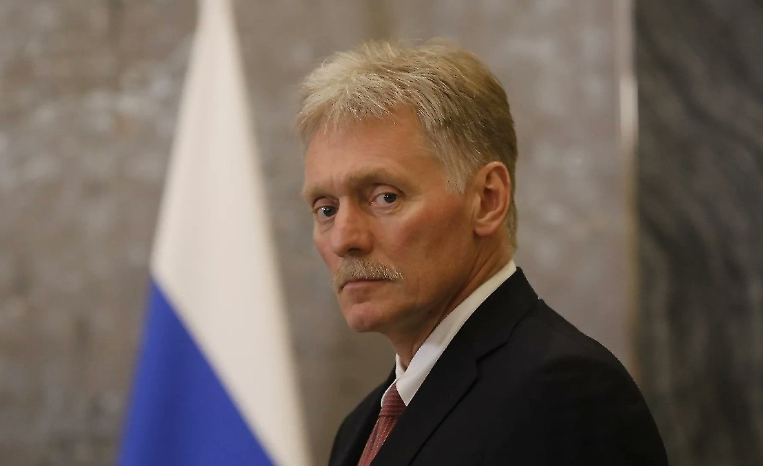
Kremlin spokesman Dmitry Peskov told the BBC that the decision had been made “due to [Meta’s] unwillingness to comply with the norms and the letter of Russian law”. He has said Meta could resume operations if it “complies with [the law] and enters into dialogue”.
Asked whether authorities were trying to force Russians to use the state-developed Max app, Peskov said the “national messenger [is an] available alternative” for Russians.
Russian internet regulator Roskomnadzor said this week it was further restricting access to the messaging app Telegram, citing security concerns. Telegram is highly popular in Russia and is widely used by Russian forces in Ukraine.
Pro-war bloggers have complained that the move was hampering communications on the ground.
Even before the full-scale invasion of Ukraine in 2022, Russian authorities had begun work on creating a domestic alternative to the global internet. Those moves have accelerated during the war, alongside a push toward a state-backed platform called Max.
Critics have alleged that Max could be used for surveillance by the Russian authorities, though state media have denied that. Max is now being promoted widely inside Russia, through TV advertisements and billboards, by local officials and by the media.
Russia has argued that WhatsApp and Telegram have refused to store Russian users’ data in Russia, as required by law. Authorities in Moscow also allege that WhatsApp is one of the main services used to defraud and extort money from Russians – a reason they cite for people to migrate to the Max app.
WhatsApp said it was doing everything it could to keep people connected.
“Trying to isolate over 100 million users from private and secure communication is a backwards step and can only lead to less safety for people in Russia,” it said in a statement.
State-run news agency Tass reported earlier this year that WhatsApp was expected to be permanently blocked in the country in 2026.
“Such harsh measures” are “absolutely justified” since Russia has designated Meta as an extremist organisation, Andrei Svintsov, a Russian official, was quoted as saying.
WhatsApp was previously Russia’s most popular messaging service, but since Meta was labelled an extremist organisation in 2022, its apps, such as Instagram and Facebook, have been blocked in Russia and are only accessible via virtual private networks (VPNs). Russians are not banned from using its products.
The digital rights project Na Svyazi (In Touch) reports that Russia has been increasingly removing websites from the state-run internet address directory, which is controlled by Roskomnadzor.
It said that 13 popular resources were now missing from the National System of Domain Names (NSDI), including YouTube, Facebook, WhatsApp Web, Instagram, the BBC and Deutsche Welle. Once an entry is removed, the site does not open without a virtual private network (VPN).
Moscow has made extensive efforts to push Russians to its state-developed Max app, which critics say lacks end-to-end encryption and could therefore be penetrated by authorities.
The app has been likened to China’s WeChat – a so-called “super app” that combines messaging and government services.
Since 2025, the authorities have mandated that the Max app be pre-installed on all new devices sold in the country. There have been reports that public-sector employees, teachers, and students are increasingly required to use the platform.
Telegram’s chief executive, Russian-born businessman Pavel Durov, said the state was restricting access to its service in an attempt to force its people to use its own app for surveillance and political censorship.
Iran has tried a similar strategy of banning Telegram and pushing its people toward a state-run alternative, but citizens have found ways to work around it, he wrote online.
“Restricting citizens’ freedom is never the right answer,” said Durov.