


Nairobi Governor Johnson Sakaja found himself on the receiving end of criticism when he appeared before the Committee on Devolution and Intergovernmental Relations on Thursday, February 26, 2026.
Sakaja, who was summoned to shed light on the cooperation agreement which he signed with President William Ruto, came face-to-face with Nairobi Senator Edwin Sifuna, who has been a leading critic of the deal.
Sifuna challenged the county boss to present tangible issues when he meets President Ruto at State House, rather than smiling and laughing at a time when there are serious issues to be addressed.
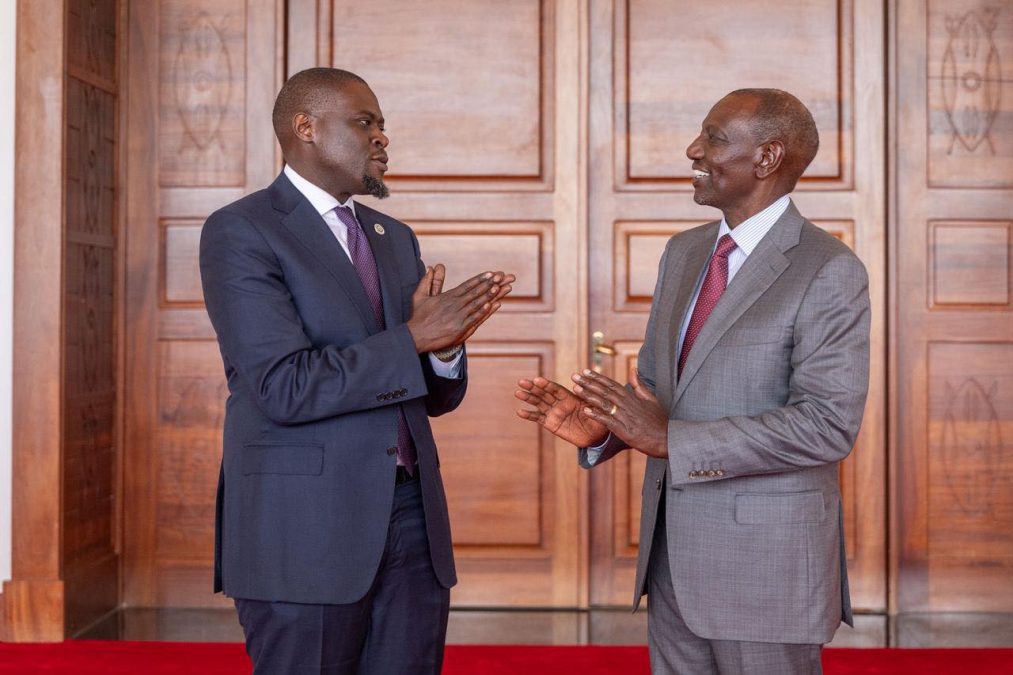
The Senator expressed his satisfaction with the direction taken by the governor in relation to a cooperation agreement signed between the County Government of Nairobi and the National Government.
Sakaja’s pledge
He reminded the governor that he had gone against his own promise of never allowing an arrangement similar to the Nairobi Metropolitan Services.
“You promised the people of Nairobi that we would not get into a misadventure similar to NMS (Nairobi Metropolitan Service). This arrangement is similar to that one,” Sifuna stated.
The Senator made his expectations known to Sakaja, telling the governor that the issue of pending bills should form part of his engagements with Ruto.
“My expectation is that when you go to the State House, please remind the resident that he is the one to pay those pending bills. Don’t just be there smiling and laughing, and yet you know the troubles that these contractors for NMS are going through,” Sifuna said.
Sifuna slams Mudavadi
According to the senator, Prime Cabinet Secretary Musalia Mudavadi has sneaked his way into an elective office through the deal.
Sifuna stated that the cooperation agreement essentially sees Mudavadi sharing power with Sakaja.
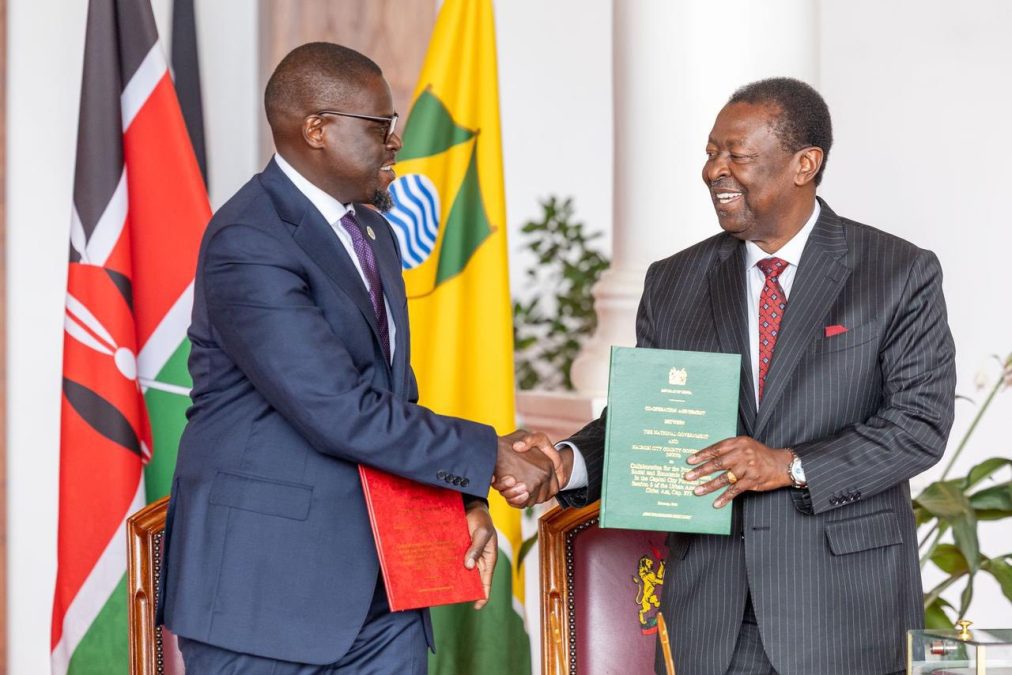
“Musalia Mudavadi has sneaked himself into an elective office in Nairobi because he is essentially undertaking the functions of your government. I know he is your brother, but you don’t have to share power with him,” Sifuna said.
The governor is on record defending the agreement, saying that it unlocks billions for the city, adding that it does not in any way weaken devolution or imply that some functions have been transferred.