

More than 80,000 people have either been deported or voluntarily returned to their home countries since tensions over illegal immigration intensified in June, placing an unexpected financial burden on the government.
The expenses include buses used to transport migrants, temporary repatriation centres and overtime for Home Affairs staff.
South Africa has formally asked Malawi, Ethiopia and Nigeria to help cover the costs, after spending millions on the repatriation and deportation operations.
“We have also written to the government of Malawi and, of course, the embassies of Nigeria and Ethiopia requesting reimbursements of this cost through the department of DIRCO,” Home Affairs Director-General Tommy Makhode told Parliament on Tuesday, according to Business Insider Africa.
The unplanned spending has reportedly put pressure on government agencies involved in the operation.
Home Affairs Minister Leon Schreiber has described the recent volume of repatriations and deportations as unprecedented.
Some municipalities and departments are now seeking reimbursement from South Africa’s Home Affairs department for costs they had not budgeted for.
The costs have mounted as the number of people leaving South Africa continues to rise.
Government figures show that 82,875 people have been either deported or voluntarily repatriated since tensions over illegal immigration intensified in June. The figure is, however, disputed, with governments of some migrants’ home countries putting the total at about 178,000.
The increase has come as pressure mounts on South Africa’s government to take tougher action against undocumented migration.
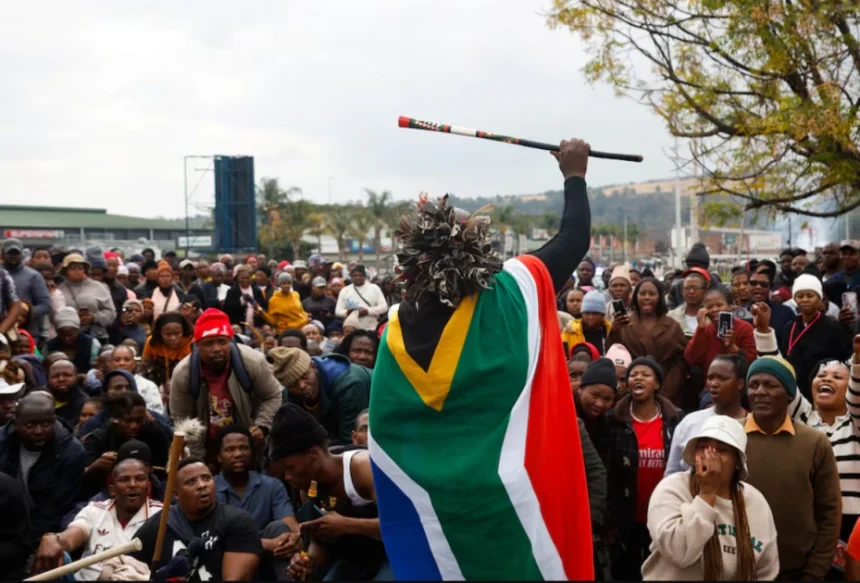
Anti-immigration groups have recently staged protests, accusing foreign nationals of taking jobs, contributing to crime and putting pressure on public services. The tensions have also been accompanied by attacks against migrants.
The unrest has had repercussions beyond South Africa’s borders, with several African governments raising concerns over the treatment of their citizens. Some have accused Pretoria of failing to protect foreign nationals from attacks, a charge the South African government has rejected.
“We must not conflate lawful migrants, refugees and asylum seekers with people who enter or remain in countries in violation of immigration laws. Nor should migrants be made scapegoats for unemployment, crime or shortcomings in the delivery of public services,” South African President Cyril Ramaphosa said last month.
“Our response must combine firm, fair and effective immigration management with an unwavering defence of human dignity and the rule of law.”