

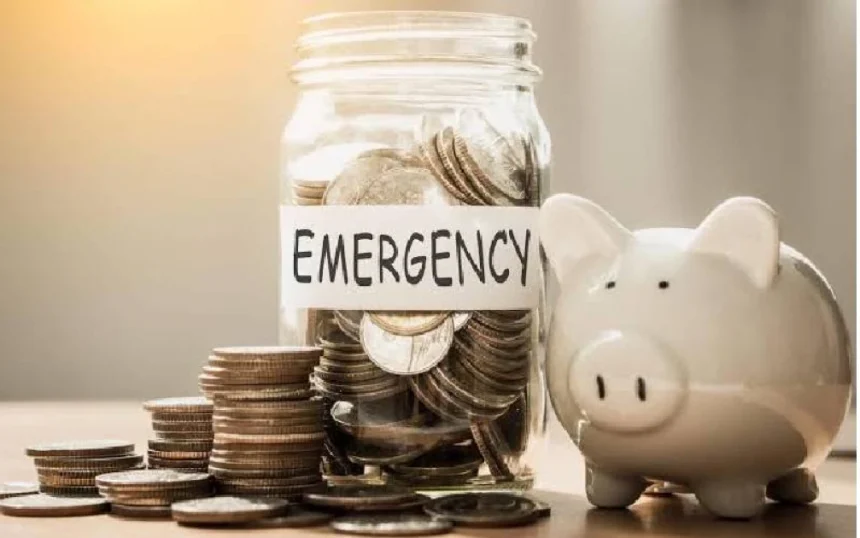
Many people spend years working hard to earn a living, yet very few take time to prepare for the unexpected.
While individuals budget for rent, school fees, food, transport, and entertainment, one important financial tool is often ignored.
The emergency fund. This forgotten financial cushion can make the difference between financial stability and financial distress when life takes an unexpected turn. Emergencies do not announce their arrival.
They come suddenly, demanding immediate financial resources. Those who have prepared are able to face such moments with confidence, while those without savings often sink into debt and prolonged financial hardship.
An emergency fund is money deliberately set aside to cater for unforeseen expenses. It is not money for holidays, luxury purchases, or impulse shopping.
Instead, it is reserved for genuine emergencies such as sudden illness, job loss, urgent home repairs, vehicle breakdowns, funeral expenses, or unexpected family responsibilities.
Unfortunately, many people fail to appreciate its importance until they find themselves in a financial crisis.
One reason emergency funds remain neglected is the widespread belief that emergencies are rare. Many people assume that because they are currently employed or healthy, they are immune to financial shocks.
However, reality tells a different story. Companies downsize without warning, businesses experience losses, accidents happen, and illnesses strike regardless of age or income level.
The question is not whether emergencies will occur, but when they will occur. Financial preparedness is therefore not a luxury but a necessity.
The absence of an emergency fund often forces people into desperate financial decisions. They rush to expensive mobile loans, borrow from friends and relatives, or take salary advances that leave them struggling even before the next payday.
Some even sell productive assets such as livestock, land, or business equipment at very low prices simply to raise quick cash.
Others accumulate multiple loans whose repayments consume a significant portion of their monthly income, creating a cycle of debt that becomes increasingly difficult to escape.
An emergency fund also protects one’s dignity and peace of mind. Financial emergencies are stressful enough without the added embarrassment of constantly asking others for assistance.
Individuals with emergency savings can solve problems quietly and promptly without exposing their private struggles or damaging valuable relationships through repeated borrowing.
The emotional comfort that comes from knowing there is a financial safety net cannot be overstated.
Building an emergency fund does not require a high income. It requires discipline and consistency. Even small amounts saved regularly can grow into substantial reserves over time.
Setting aside five or ten percent of every salary or business income may seem insignificant initially, but after several months it can provide meaningful protection.
The important thing is to make saving a habit rather than waiting for a time when income is more than enough, a moment that rarely arrives for most people.
I usually recommend saving enough to cover between three and six months of essential living expenses.
Such a reserve gives individuals adequate time to search for new employment, recover from illness, or deal with unexpected financial disruptions without immediately falling into debt.
Although reaching this target may take time, every contribution made towards the emergency fund brings greater financial security.
Parents have an equally important responsibility to teach their children the value of emergency savings. Financial education should begin at home, where children learn that not every coin should be spent immediately.
Developing this mindset from an early age produces adults who appreciate delayed gratification and responsible money management.
Ultimately, wealth is not measured solely by the size of one’s salary or possessions but also by the ability to withstand financial storms.
Life will always present unexpected challenges, but preparation determines whether those challenges become temporary setbacks or long-term disasters.
An emergency fund is more than a savings account. It is a shield against uncertainty, a source of confidence during difficult moments, and a foundation for lasting financial resilience.
Every income earner, regardless of age or earnings, should make building and protecting an emergency fund a top financial priority. When the unexpected happens, this forgotten financial cushion may become the most valuable money ever saved.