


A meal rich in ginger and garlic can taste amazing. It adds warmth, depth and aroma to stews, meat, vegetables and sauces.
Yet some people notice that long after the plate is empty, their breath has changed. The smell may feel sharp, lingering or unpleasant, even after brushing.
That happens because odour from food is not only left on the tongue.
Some compounds from what you eat are absorbed into the body, travel in the bloodstream and later leave through the lungs when you breathe out.
According to Mayo Clinic on December 21, 2023, foods such as garlic, onions and spices can affect breath after digestion because compounds enter the bloodstream, are carried to the lungs and released through breathing.
What garlic does
Garlic is one of the biggest causes of lingering food breath. When garlic is chopped or crushed, it forms sulphur-containing compounds.
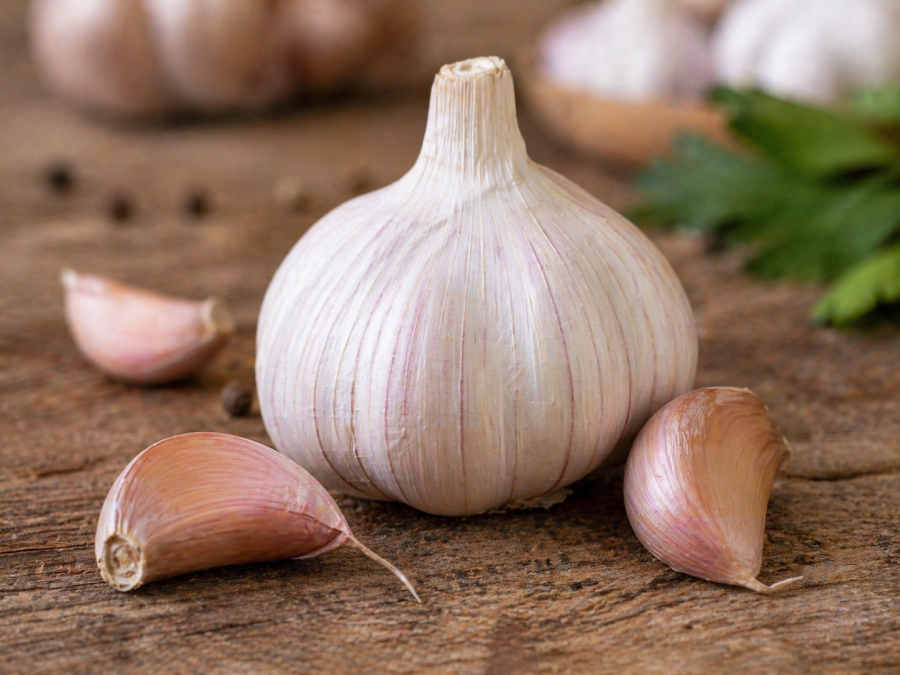
One well-known compound is allicin, which quickly breaks down into other sulphur chemicals.
Researchers have closely studied why garlic smells last for hours. In a Journal of Food Science study published in 2010, scientists A.
Hansanugrum and colleagues found that allyl methyl sulfide was a persistent garlic odour that remained detectable after eating garlic.
The researchers explained that some garlic compounds continue circulating in the body and can be released later through the mouth and nose.
Some of these compounds remain in the mouth for a while, especially on the tongue, between teeth and in tiny food particles left behind.
Others are absorbed during digestion, enter the bloodstream and reach the lungs. That is why garlic breath can continue even after brushing.
This type of smell is strong because sulphur compounds are naturally pungent.
Ginger’s role
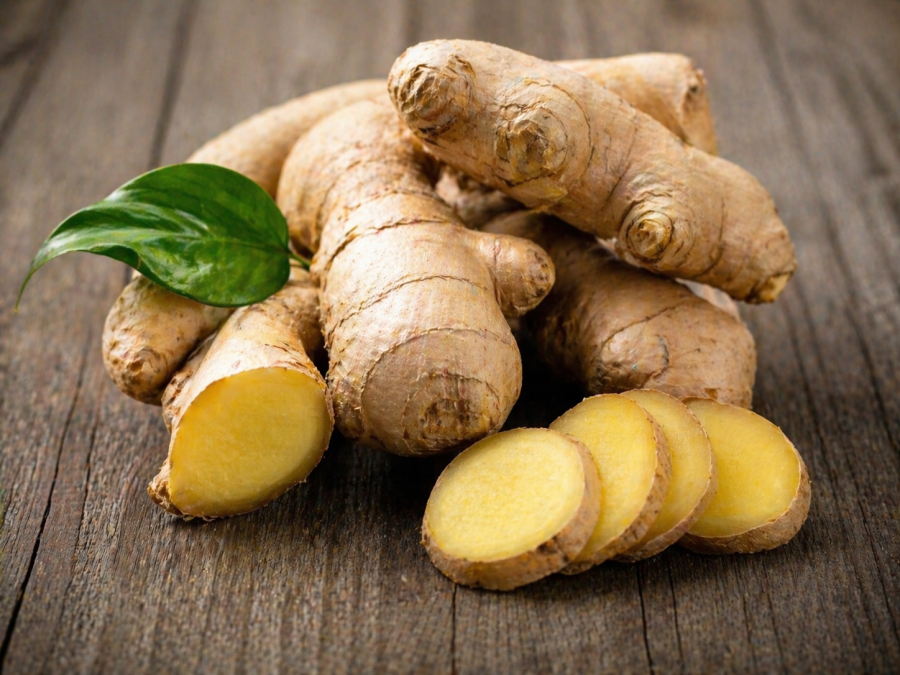
Ginger is less famous for bad breath than garlic, but it has a powerful aroma of its own. It contains natural compounds such as gingerol and related oils that give it its spicy scent.
After eating heavily spiced food, the mouth can feel coated and dry, especially if little water was taken.
A dry mouth allows odour-producing bacteria to multiply more easily, which can worsen breath smell.
Mayo Clinic states that saliva helps cleanse the mouth, and when the mouth becomes dry, particles that cause bad odours are removed less effectively.
So ginger may not be the main culprit in many cases, but it can contribute depending on how much was used and what it was cooked with.
Its strong aroma can mix with existing mouth bacteria and trapped food particles, making breath smell stronger.
Why the smell seems worse after meals
Food trapped between teeth, reduced saliva after a heavy meal and existing dental issues can all intensify odour.
In a 2013 review published in the National Library of Medicine, researchers noted that foods such as garlic, onions and spicy meals can cause temporary halitosis, while poor oral hygiene and tongue bacteria often make the smell worse.
If someone already has gum disease, tooth decay or tongue coating, strong-smelling foods may make the problem more noticeable.
The smell can also seem stronger when meals include onions, meat, oils or sauces alongside garlic and ginger.
How to reduce it
Drink water after meals to help rinse the mouth and support saliva flow. Brush teeth, clean the tongue and floss to remove trapped food. Sugar-free gum may help stimulate saliva.
There is also evidence that certain foods may help.
In the same 2010 Journal of Food Science study, researchers found that milk significantly reduced several garlic-related breath compounds, especially when taken with the meal.
Fresh herbs such as parsley or mint can temporarily improve breath, while milk and some fruits may reduce certain garlic odours for some people.
If bad breath happens often, even without garlic or ginger, it may be worth checking dental health, digestion or sinus issues with a professional.
Sometimes the food only reveals a problem that was already there.