

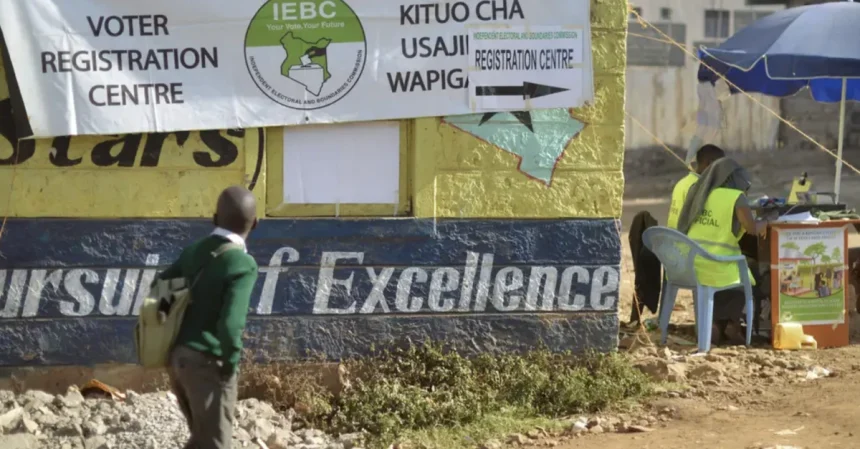
Kenya is a young nation. More than half of the country’s population is made up of young people.
From universities and colleges to villages, estates and the fast-growing digital spaces where conversations happen every day, the youth are shaping culture, business, technology, and social change.
Yet when it comes to one of the most powerful tools of influence, voting, many young people still sit on the sidelines. That needs to change.
Registering as a voter and turning up to vote in elections is not just a civic duty. For Kenyan youth, it is one of the most powerful ways to shape the country’s future.
First, elections determine the leaders who make decisions that affect young people directly. From the cost of education and job opportunities to internet access, healthcare, and housing, many of the policies that shape everyday life are decided by leaders elected into office.
When young people choose not to register or vote, they give away their voice in decisions that will affect them for years.
Think about unemployment, which is one of the biggest challenges facing Kenyan youth today.
Government policies on entrepreneurship, digital jobs, innovation hubs, technical training, and funding for youth enterprises are not created in isolation.
They come from leaders who are elected through the ballot. If young people want leaders who prioritize youth employment and economic opportunities, they must participate in choosing those leaders.
Second, voting is a way for young people to hold leaders accountable.
Democracy is not just about electing leaders once every five years; it is about sending a message that citizens are watching and care about how the country is run.
When youth register in large numbers and vote, leaders know they must listen to them.
Kenya has already seen the power of young voices in other spaces. Young people dominate social media discussions, organize community initiatives and lead movements that demand transparency and fairness.
But real change often requires influence inside the systems where decisions are made. Voting connects youthful energy and activism to the institutions of governance.
Third, the youth vote has the potential to transform Kenyan politics.
Because young people form such a large portion of the population, they have the numbers to influence the outcome of elections at every level.
If mobilized effectively, the youth vote can shift national conversations toward issues that matter to the younger generation.
These include job creation, quality education, affordable technology, climate change, mental health, and opportunities in the creative and digital economies.
However, participation begins with the first step: registering as a voter.
Many young people delay or ignore voter registration because they feel politics does not represent them, or they believe their vote will not make a difference. Others simply do not prioritize the process.
But history shows that every vote matters. Elections can be decided by surprisingly small margins. One polling station, one ward or one constituency can determine the outcome of a race.
When thousands of young people decide to participate, their collective voice becomes impossible to ignore.
It is also important to remember that voting is about more than supporting personalities. It is about evaluating ideas, policies, integrity, and leadership.
Young voters should take time to learn about candidates, question their plans, and make informed choices.
A thoughtful voter is a powerful voter. Technology has made it easier than ever for young people to access information, compare manifestos, and engage in public debate.
The same digital skills used to build businesses, create content, and connect with global audiences can also be used to strengthen democracy.
Another reason youth participation matters is the long-term impact it creates. The leaders elected today will make decisions that affect Kenya for decades.
These choices will shape the kind of country young people inherit as they grow into leadership roles themselves.
If young people want a Kenya that offers opportunity, fairness, innovation, and progress, they must be part of the process that determines its direction.
Registering as a voter is therefore not just about one election. It is about claiming a stake in the nation’s future.
Kenya’s democracy grows stronger when more citizens participate, and the youth have a special role to play. With their energy, creativity, and numbers, they have the power to reshape political conversations and demand leadership that reflects their aspirations.
The message is simple: register, stay informed and vote.