
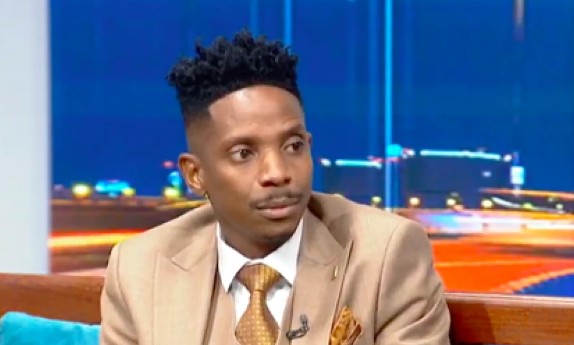
Kenyan comedian and activist Eric Omondi has weighed in on the growing debate over the role of artists and influencers in politics, arguing that entertainers should stand with ordinary Kenyans regardless of which government is in power.
Speaking during an interview on Wednesday, September 30, 2026, Omondi said artists have a responsibility to represent the concerns of society rather than act as spokespersons for those in government.
“I think artists must always stand with the people no matter the government, because governments come and go,” Omondi said.
He further described artists as a reflection of society, arguing that their platforms should be used to speak about issues affecting the public.
“Msanii ni kioo cha jamii, so they must always stand and fight for the people,” he said.
According to Omondi, artists should therefore be cautious about taking on the role of defending or promoting government positions.
“I don’t think it’s wise for an artist to speak on behalf of the government,” he stated.
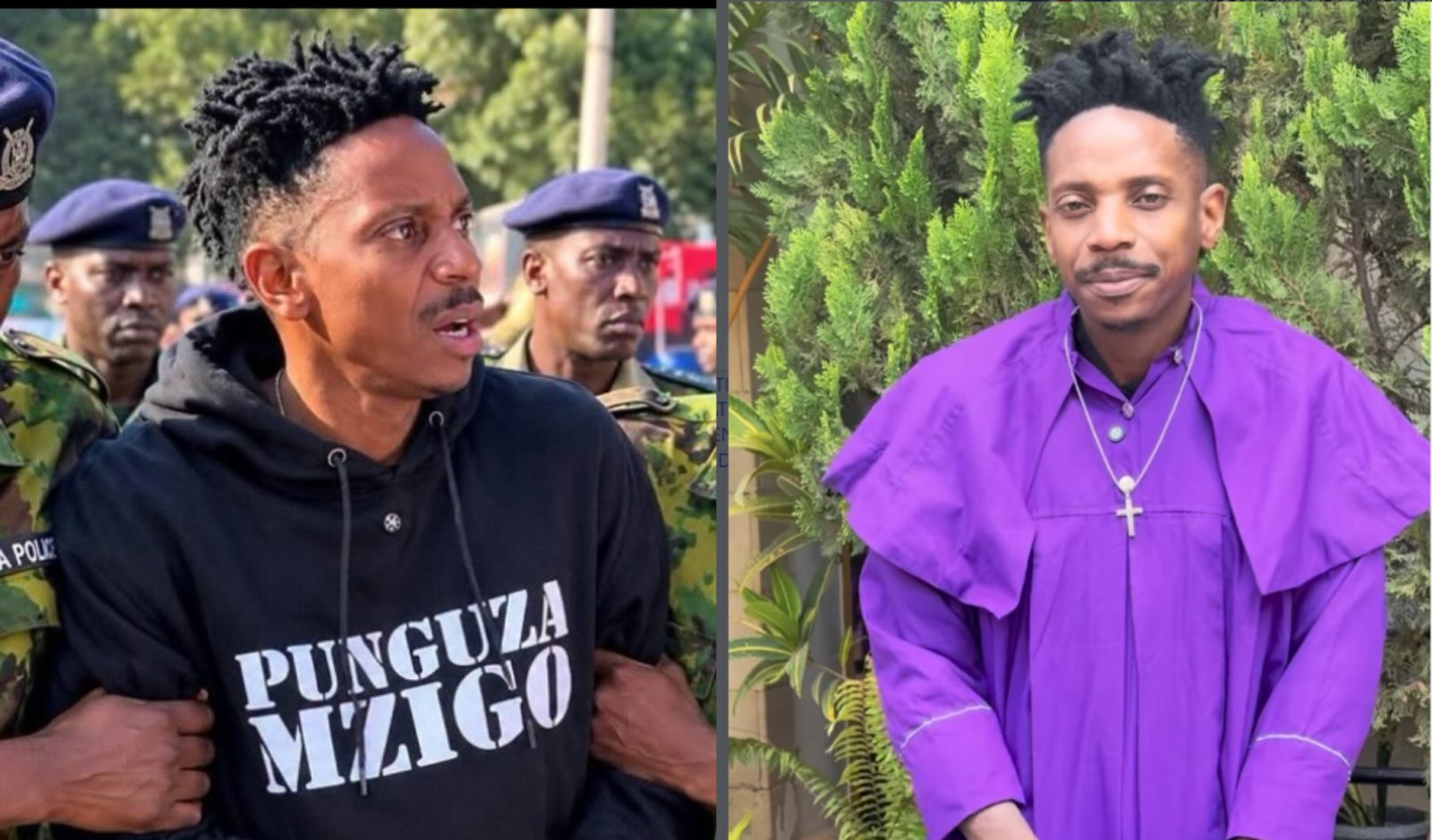
Influencers supporting govt
His comments come amid a growing debate over Kenyan influencers who publicly support or work with the government.
Omondi also appeared to challenge influencers who he believes have not been sufficiently open about their political or commercial positions.
“As an influencer, you must be proud of your product. Come out and stop beating about the bush,” he said.
The remarks come shortly after filmmaker and content creator Abel Mutua defended influencers who choose to support the government, arguing that they have the right to make their own political choices.
“Why are you letting an influencer make decisions for you? You know where the shoe pinches; you make the decisions,” Mutua said.
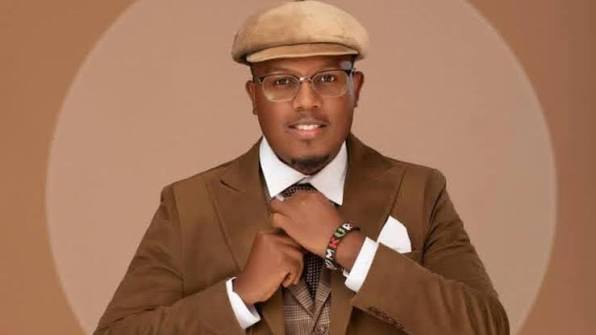
Mutua added that influencers are entitled to support whichever side they choose.
“An influencer is well within their rights to support however they want,” he said.
He also questioned why people criticise influencers for supporting the government when many Kenyans interact with or work for government institutions in different ways.
“Why castigate someone for influencing for the government, yet everybody else is working for the government in some way?” Mutua posed.
The differing views have added to the wider conversation about whether celebrities and influencers should remain neutral, openly support political causes or use their platforms to advocate for the public.
For Omondi, the responsibility is clear: artists should remain connected to the people regardless of who occupies government offices.